
 English
 简体中文
简体中文 French
 日本語
日本語 Korean
 Português
 Русский
 Spanish



NEWS
Nitrogen atmosphere furnace is often used as a heat treatment electric furnace for sintering and brazing, with a wide range of applications. However, there are also many aspects to pay attention to when choosing a nitrogen atmosphere furnace. Let's take a detailed look below!
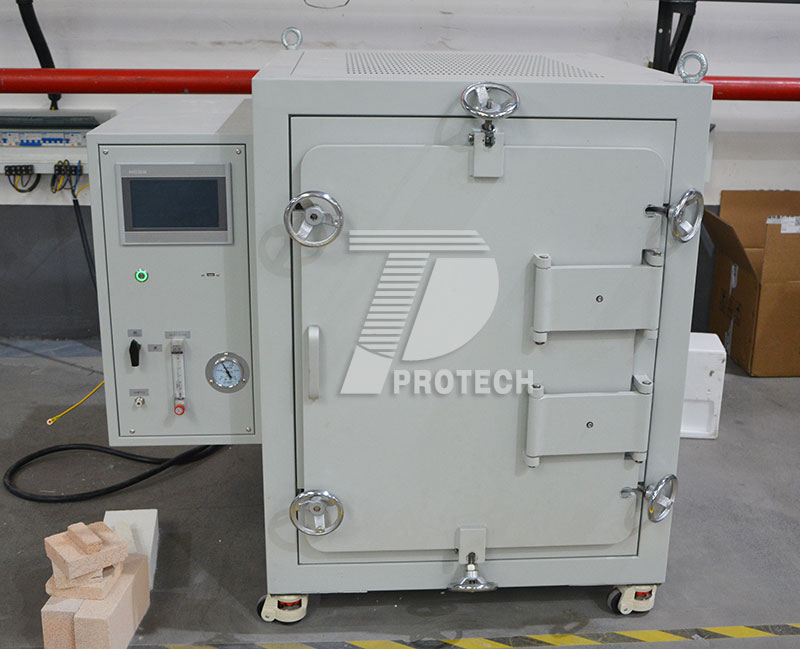
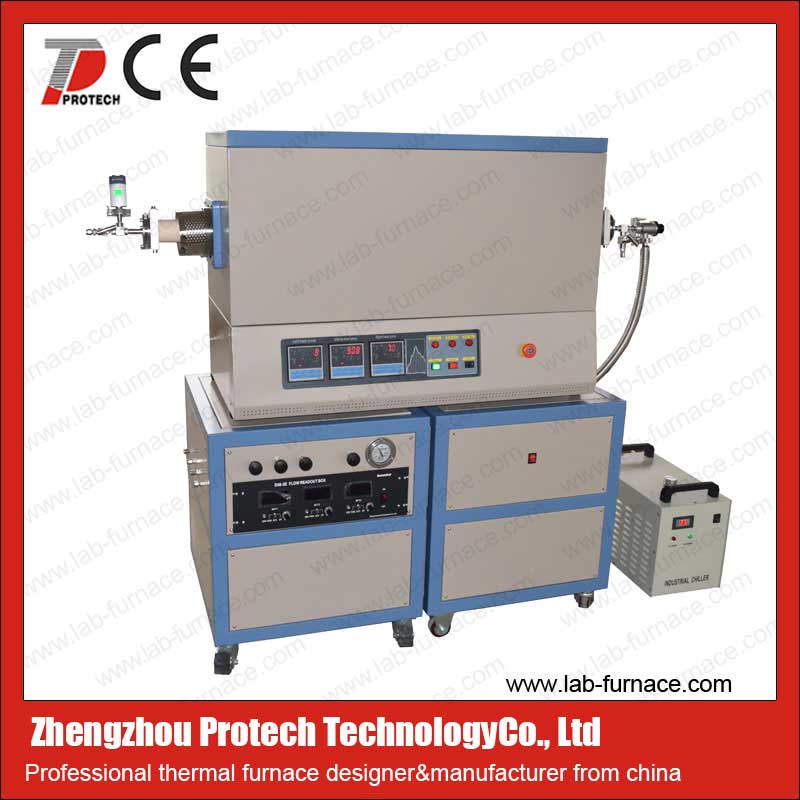
A commonly used small nitrogen atmosphere furnace (click on the image to view product details)
temperature control
Temperature range: Determine the maximum temperature based on experimental or process requirements. For example, ceramic sintering may require temperatures above 1600 ℃, and metal heat treatment may require higher temperatures. For example, for the treatment of high melting point materials such as zirconia and silicon carbide, it is necessary to choose a furnace that can reach 1200 ℃ -1600 ℃; The treatment of refractory metals (tungsten, molybdenum) requires equipment above 1600 ℃.
Temperature control accuracy: It is recommended to choose equipment with temperature control accuracy within ± 1 ℃ for scientific research experiments to ensure the accuracy of experimental results.
Heating rate: Different materials have different requirements for heating rate. Hard alloys require rapid heating to reduce oxidation, while high-temperature alloys require slow heating to prevent thermal stress cracking.
Temperature uniformity: Select equipment with multi-faceted heating function to ensure that the temperature difference at each point in the furnace is within the allowable range (such as ± 5 ℃), avoiding the impact of uneven temperature on experimental or process results.
Atmosphere regulation
Atmosphere type: Select equipment that supports single or mixed gas environments such as nitrogen, argon, hydrogen, oxygen, etc. according to experimental or process requirements. For example, metal annealing requires nitrogen protection, carbon material processing requires an argon environment, and a reducing atmosphere (such as hydrogen) is used for metal powder reduction.
Purity and stability of atmosphere: Ensure that the oxygen concentration in the furnace is ≤ 5ppm. Some processes require gas flow meters and oxygen content monitoring devices to accurately control the composition and flow rate of the atmosphere.
Atmosphere circulation system: Understand the atmosphere circulation system of the equipment to ensure uniform distribution of gas in the furnace and avoid local atmosphere differences affecting experimental or process results.
Vacuum degree: If oxygen interference (such as metal melting) needs to be eliminated, a furnace type with a vacuum degree of ≤ 10 ⁻ ³ Pa should be selected, and attention should be paid to the pumping speed and reflux characteristics of the vacuum system to ensure that the required vacuum degree is quickly achieved and stable.
furnace design
Furnace size: Choose the appropriate furnace size based on the sample size and quantity to avoid energy waste caused by excessive size or inability to place samples due to insufficient size.
Furnace shape: Box furnace is suitable for batch processing of samples.
Furnace material: Select materials such as alumina ceramic fiber (resistant to high temperatures below 1600 ℃), silicon carbide (good thermal conductivity, suitable for rapid heating scenarios, but avoiding oxidizing atmospheres), or graphite (higher temperature resistance, but requiring inert atmosphere protection) according to temperature requirements. Understand the performance parameters such as thermal conductivity and thermal expansion coefficient of furnace materials to ensure the stability and durability of the furnace at high temperatures.
Sealing: Using water-cooled sleeves, silicone rubber sealing rings, or metal sealing structures to ensure the purity of the atmosphere inside the furnace and prevent the infiltration of external air.
heating element
Type selection: Understand the characteristics of different heating elements, such as silicon carbon rods, silicon molybdenum rods, resistance wires, etc., and choose according to usage needs and temperature range. For example, alloy resistance wire heating elements combined with ceramic fiber furnaces can achieve efficient and uniform heating.
Performance requirements: The heating element should have high heating temperature, long service life, and good stability to ensure the long-term reliable operation of the equipment.
safety performance
Overtemperature protection: Ensure that the furnace has an overtemperature protection function. When the temperature inside the furnace exceeds the set value, the power will be automatically cut off to prevent equipment damage and safety accidents.
Leakage alarm: Equipped with a leakage alarm device, it will promptly sound an alarm when the atmosphere inside the furnace leaks, reminding operators to take measures to ensure the safety of personnel and equipment.
Explosion proof design: For processes that may generate explosive gases, furnaces with explosion-proof design should be selected, such as furnace door water cooling, pressure relief valves, etc., to prevent explosions caused by excessive nitrogen pressure.
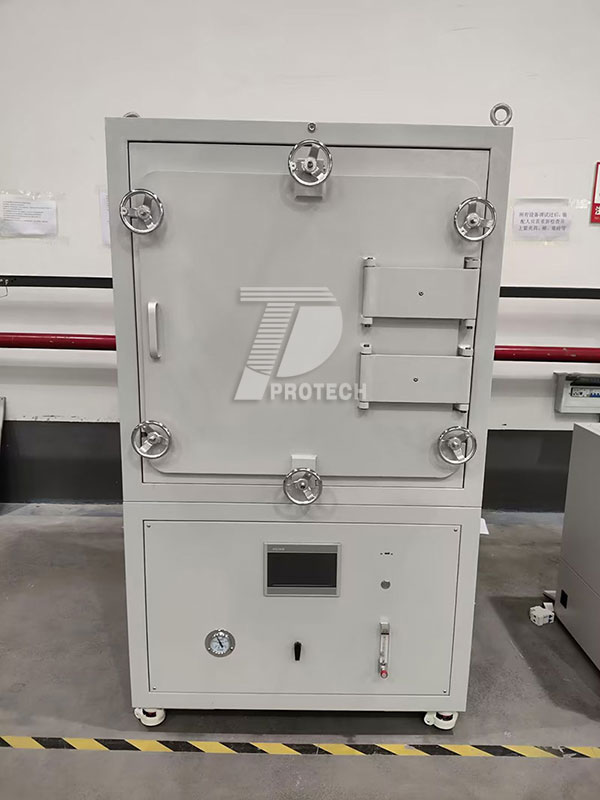
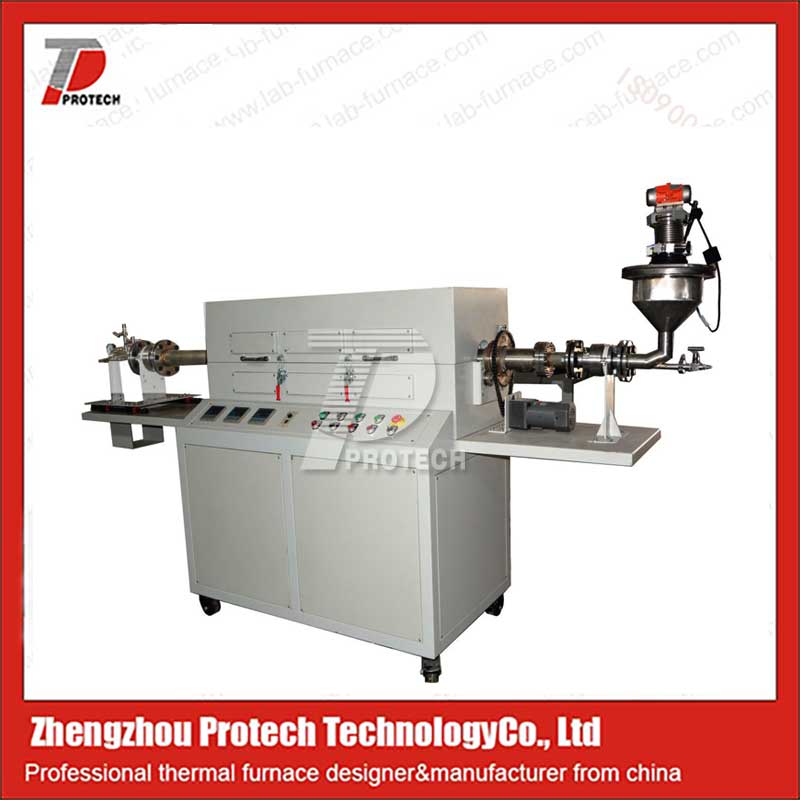
High box pilot nitrogen atmosphere furnace (click on the picture to view product details)
Equipment quality and after-sales service
Equipment quality: Choose products with reliable quality and stable performance to ensure low failure rate and low maintenance costs during long-term use of the equipment.
After sales service: Consider the supplier's after-sales service and technical support capabilities, including equipment installation and commissioning, operation training, maintenance, and other aspects. Choose a supplier with a comprehensive after-sales service system so that any problems encountered during use can be promptly resolved.Click to learn more Atmosphere Furnaces! Or click on online customer service to learn more about product information!
Leave A Message


