
 English
 简体中文
简体中文 French
 日本語
日本語 Korean
 Português
 Русский
 Spanish



NEWS
Vacuum brazing furnace is a specialized heat treatment equipment for precision metal welding, which relies on a vacuum sealed environment to complete the non oxidation brazing process of metal workpieces. With the advantages of smooth welds, high strength, small deformation, and no oxidation color difference, it is widely used in industries such as hard alloys, stainless steel, copper alloys, aviation precision components, and refrigeration parts. Many purchasing companies and processing plants are prone to problems such as purchasing large or small equipment, mismatched processes, and high production costs when choosing vacuum brazing furnaces due to a lack of understanding of equipment parameters and process adaptation requirements. Below, let's take a detailed look at how to select a vacuum brazing furnace, as well as professional selection precautions, to help you better match the brazing equipment that suits your working conditions.

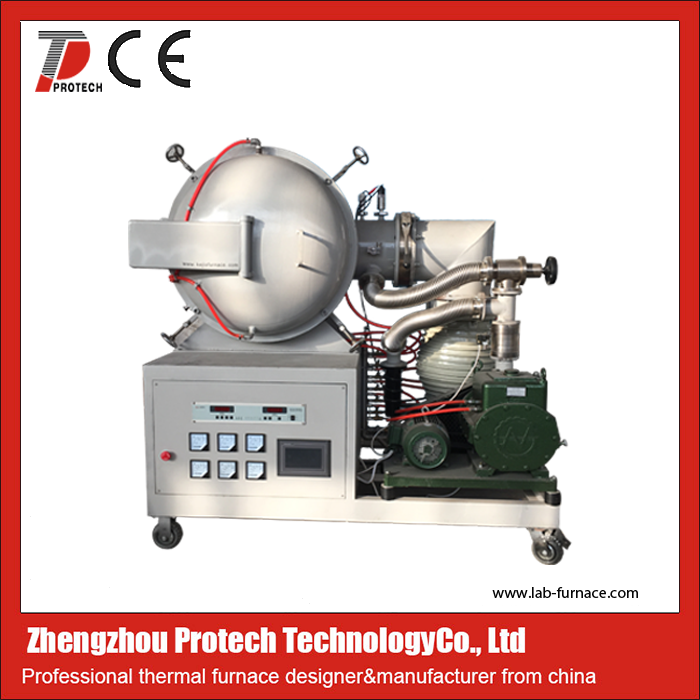
A commonly used small vacuum brazing furnace (click on the image to view product details)
1. Clarify one's own brazing process requirements and determine the direction of basic selection
The first step in selection is to sort out the production process conditions and avoid blind selection. Firstly, it is necessary to clarify the material, size, single loading capacity, brazing material type, and production capacity of the processed workpiece. The requirements for vacuum degree, heating temperature, and insulation time vary greatly among different metal materials. For example, brazing of hard alloy cutting tools, brazing of stainless steel heat exchangers, and brazing of copper aluminum composite parts require completely different temperature ranges and vacuum environments.
Simultaneously distinguishing production modes, small-scale research and development sampling, and intermittent production are suitable for small-scale experimental vacuum brazing furnaces; For large-scale assembly line processing and industrial mass production, it is recommended to use a horizontal large vacuum brazing furnace to match production capacity reasonably and avoid equipment idle or insufficient production capacity.
2. Key points for selecting core technical parameters
a. Working temperature and temperature field uniformity
Temperature is a key parameter of vacuum brazing furnace, and the temperature range of conventional vacuum brazing furnace is 800 ℃ -1300 ℃. Copper based brazing materials and silver based brazing materials have different adaptation temperatures, and the highest temperature of the equipment should be strictly selected according to the melting point of the brazing materials. The uniformity of the temperature field in a high-quality industrial vacuum brazing furnace should be controlled within ± 5 ℃. A uniform temperature field can ensure the consistency of each batch of workpiece welds, avoid defects such as virtual welding, missed welding, and uneven welds, and significantly reduce the scrap rate.
b. Vacuum level selection
The vacuum degree directly determines the welding surface quality of the workpiece. For ordinary carbon steel and conventional alloy workpieces, low vacuum equipment can be used to meet production needs; Stainless steel, titanium alloy, aviation precision parts, and high-purity metal workpieces must be selected with high vacuum brazing furnaces to prevent problems such as high-temperature oxidation, surface blackening, and the formation of oxide scales. In a high vacuum environment, the workpiece does not require subsequent polishing treatment, resulting in a higher smoothness of the finished product.
c. Effective size of furnace
The size of the furnace should not only refer to the size of the workpiece, but also reserve space for placement and material support. If the workpiece has an irregular shape and needs to be placed in multiple layers, the furnace specifications should be customized based on the loading method and the total amount of processing per time. It is recommended to reserve a margin of 10% -20% when selecting, to avoid uneven heating caused by crowded workpiece placement, which may affect the brazing effect.
3. Precautions for equipment structure configuration selection
a. Sealing structure of furnace body
Sealing is the core performance of vacuum brazing furnaces. Poor sealing can lead to air leakage, unstable vacuum degree, and oxidation and yellowing of workpieces. High quality equipment uses silicone seals and fully welded integrated furnace bodies, which are resistant to high temperatures and not easily aged. They maintain good airtightness even after long-term high-temperature operation, reducing the probability of gas leakage and repair.
b. Heating system and insulation material
High temperature resistant and anti-oxidation molybdenum heating elements are preferred for heating elements, which have fast heating speed, uniform heating, and long service life; The insulation layer adopts high-purity alumina refractory fiber and multi-layer insulation structure, which has good temperature locking effect, reduces energy consumption loss, and lowers the surface temperature of the furnace shell, improving operational safety. Poor quality insulation materials can cause high energy consumption, slow heating, and imbalanced temperature fields.
c. intelligent control system
The regular vacuum brazing furnace is equipped with a PLC intelligent control system, which supports multi-stage program temperature control, can store multiple sets of brazing process curves, and can call parameters with one click to adapt to different workpiece processing technologies. The system has safety functions such as over temperature alarm, power-off protection, vacuum overload protection, etc., which reduce operational risks and enable beginners to quickly get started.
4. Material and cost considerations for later use
When making a purchase, don't just look at the low price of the equipment, focus on the durability of consumables, energy consumption, and ease of maintenance. The commonly used consumables for vacuum brazing furnaces include sealing gaskets, heating elements, and vacuum pump oil. It is recommended to choose equipment with universal standard accessories for lower replacement costs in the later stage. At the same time, priority should be given to selecting energy-saving furnace structures, as long-term mass production can effectively save electricity costs and reduce production and operation costs.
5. Key points of manufacturer strength and after-sales selection
The quality of vacuum brazing furnace manufacturers on the market varies greatly. When selecting, priority should be given to professional heat treatment equipment manufacturers with independent research and development, production and processing capabilities. Focus on inspecting the manufacturer's production process, equipment factory inspection process, and industry cases. High quality manufacturers can customize non-standard furnace sizes, vacuum configurations, and cooling systems based on customer workpieces to meet personalized production needs.
At the same time, we confirm the after-sales support service, with regular manufacturers providing free process debugging, installation training, technical guidance, 24-hour after-sales response, and long-term supply of original factory parts to avoid equipment failure and downtime affecting production progress.

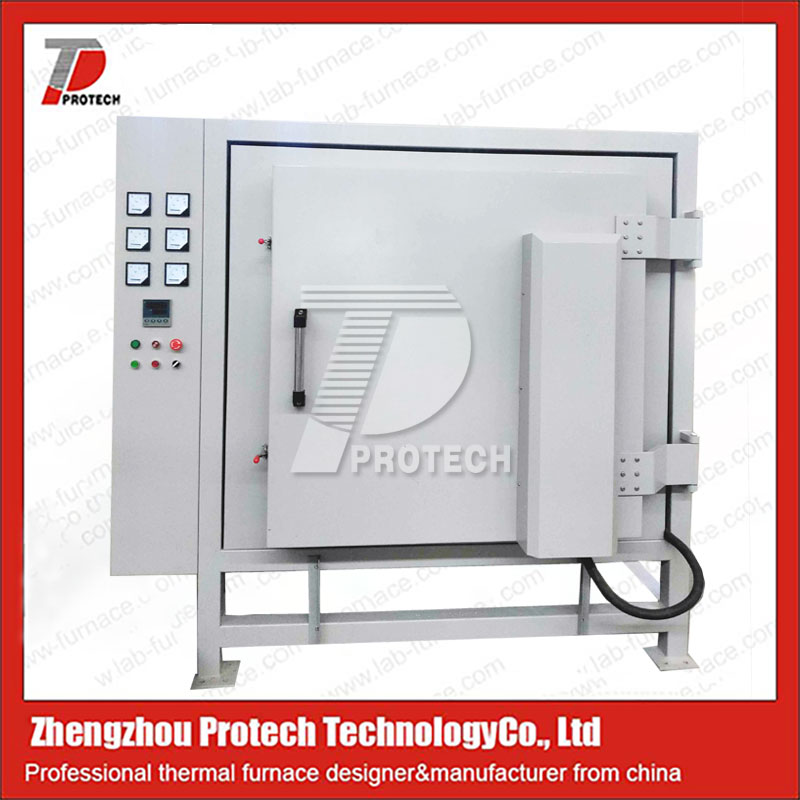
Large size molybdenum screen vacuum brazing furnace (click on the picture to view product details)
6. Summary
In summary, the selection of vacuum brazing furnaces should not blindly follow the trend. It is necessary to determine the basic specifications based on the workpiece material, processing temperature, vacuum requirements, and production capacity, and then comprehensively consider temperature field uniformity, sealing, control system, production cost, and manufacturer after-sales service. Reasonable selection can not only ensure the quality of brazed products, but also reduce energy consumption, repair costs, and improve the production efficiency of enterprises. If you want a vacuum brazing furnace with high cost-effectiveness and suitable working conditions, it is recommended to consult professional manufacturers and customize exclusive equipment solutions based on actual materials.Click to learn more customized vacuum furnaces! Or click on online customer service to learn more about product information!
Leave A Message


