English
 简体中文
简体中文 French
 日本語
日本語 Korean
 Português
 Русский
 Spanish



NEWS
When choosing a vacuum brazing electric furnace, multiple key factors need to be considered comprehensively to ensure that the equipment meets process requirements, guarantees welding quality, and achieves efficient operation. Let's take a detailed look at what aspects to pay attention to when choosing a vacuum brazing electric furnace!
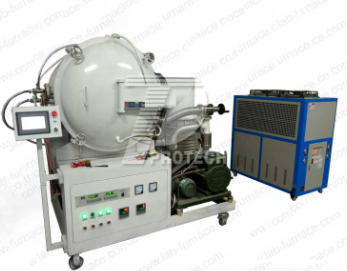
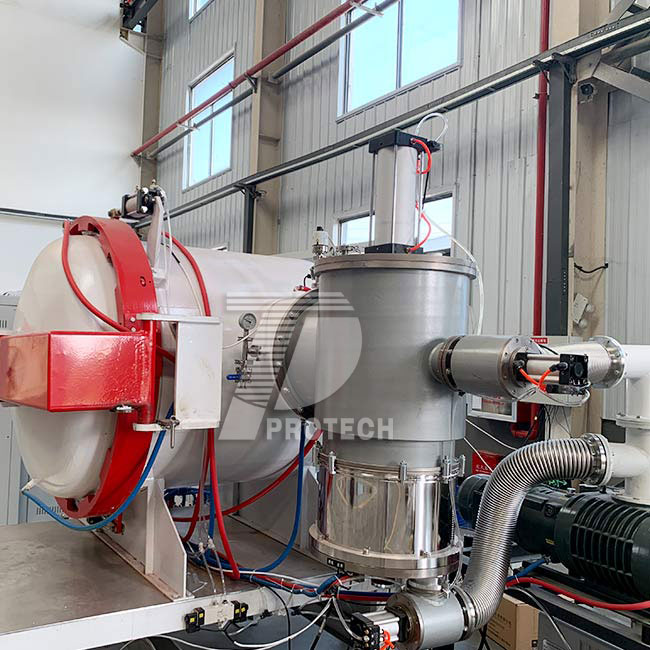
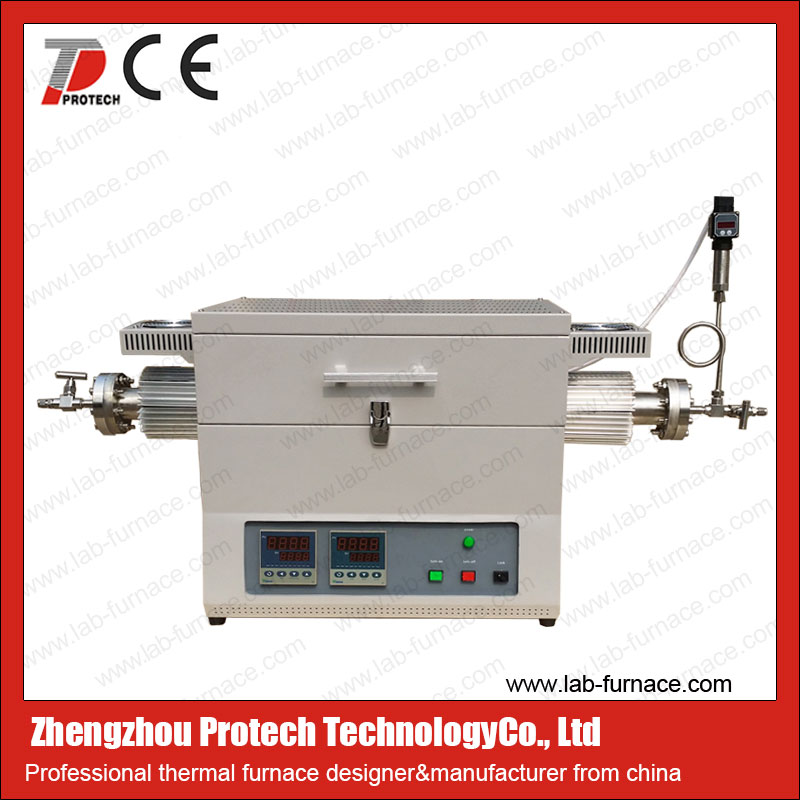
A commonly used high vacuum brazing furnace (click on the image to view product details)
1. Matching of process requirements
Material type: Clearly specify the type of material to be welded (such as aluminum alloy, high-temperature alloy, stainless steel, ceramic composite material, etc.), and different materials have different requirements for vacuum degree, temperature range, and heating rate. For example, aluminum alloy brazing typically requires lower vacuum levels (about 10 ⁻ ² Pa) and temperature control, while ceramic materials may require higher temperatures (such as above 1600 ℃).
Welding size and shape: Select the furnace chamber size based on the workpiece size to ensure that the workpiece can be freely placed and heated evenly. For complex shaped workpieces, it is necessary to confirm whether the layout of heating elements in the furnace can ensure temperature uniformity.
Production batch: For small-scale research and development, laboratory type electric furnaces can be selected, while for large-scale production, continuous or high-capacity furnace types need to be chosen to improve efficiency.
2. Vacuum system performance
Ultimate vacuum degree: Select the vacuum degree level according to the process requirements. Ordinary brazing may require 10 ⁻³ Pa, while high-precision welding (such as aerospace components) may require 10 ⁻⁴ Pa or higher.
Extraction rate: Rapid extraction capability can shorten the production cycle, especially suitable for large-scale production. Attention should be paid to the configuration of the vacuum pump group (such as mechanical pump+diffusion pump or molecular pump combination).
Leakage rate: Low leakage rate ensures a pure welding environment and avoids impurities affecting the quality of the joint.
3. Temperature control and uniformity
Temperature range: Confirm whether the maximum temperature of the electric furnace meets the material requirements (such as high-temperature alloys that may require 1200 ℃ or above).
Temperature control accuracy: High precision temperature control (such as ± 1 ℃) can reduce welding defects, especially for heat sensitive materials.
Temperature uniformity: The temperature difference inside the furnace should be controlled within a small range (such as ± 5 ℃) to avoid uneven welding caused by local overheating or underheating of the workpiece.
4. Heating system design
Heating element type: Graphite heating elements are suitable for high-temperature scenarios, while metal heating elements (such as molybdenum and tungsten) are more corrosion-resistant. Selection should be based on material characteristics.
Heating power: The power needs to match the volume of the furnace cavity to ensure rapid heating and maintain stable temperature. Insufficient power can lead to slow heating, while excessive power can increase energy consumption.
Partition control: For large-sized workpieces, partition heating can improve temperature uniformity and reduce thermal stress.
5. Cooling system efficiency
Cooling method: Air cooling (such as nitrogen, argon) or water cooling should be selected according to the process. Air cooling is suitable for rapid cooling but may introduce oxidation risks, while water cooling has higher efficiency but requires water leakage prevention.
Cooling rate: A controllable cooling rate (such as 10-50 ℃/min) can optimize the welding structure and avoid crack formation.
6. Automation and intelligent functions
Program control: supports automatic control of multiple temperature, vacuum degree, gas flow rate and other parameters, reducing manual intervention.
Data recording and analysis: Real time recording of welding curves (temperature, vacuum degree changes over time) for process optimization and quality traceability.
Remote monitoring: realize remote operation and fault diagnosis through industrial Internet to improve production flexibility.
7. Safety and Environmental Design
Safety protection: equipped with overvoltage protection, leakage protection, emergency stop and other functions to ensure safe operation.
Environmental emissions: comply with local environmental standards, such as exhaust gas treatment systems (for potentially harmful gases).
Low noise design: reduces the impact on the production environment.
8. Equipment reliability and maintenance
Brand and reputation: Choose brands with good reputation (such as Protech, Kejia furnace, etc.), as their equipment stability and service network are more reliable.
Maintenance convenience: Modular design facilitates the replacement of vulnerable parts such as heating elements and vacuum pumps, reducing downtime.
After sales service: Confirm whether the supplier provides full lifecycle services such as installation and debugging, operation training, and regular maintenance.
9. Customization capability
Non standard requirements: If there are special requirements for the process (such as special atmosphere control, multi station design), it is necessary to confirm whether the supplier has customization capabilities.
Scalability: Does the device support future upgrades (such as adding heating zones or expanding furnace chambers) to adapt to the expansion of production scale.
Click to learn more customized vacuum furnaces! Or click on online customer service to learn more about product information!
Leave A Message