
 English
 简体中文
简体中文 French
 日本語
日本語 Korean
 Português
 Русский
 Spanish



NEWS
CVD tube furnace is the core equipment in scientific research experiments such as graphene growth, thin film deposition, and nanomaterial preparation. Choosing the wrong parameters not only results in poor experimental reproducibility and sample oxidation, but also wastes a lot of time and cost. This article combines high-frequency application scenarios in the laboratory to summarize the key parameters that must be paid attention to when choosing and selecting, helping you make the right choice and avoid detours.

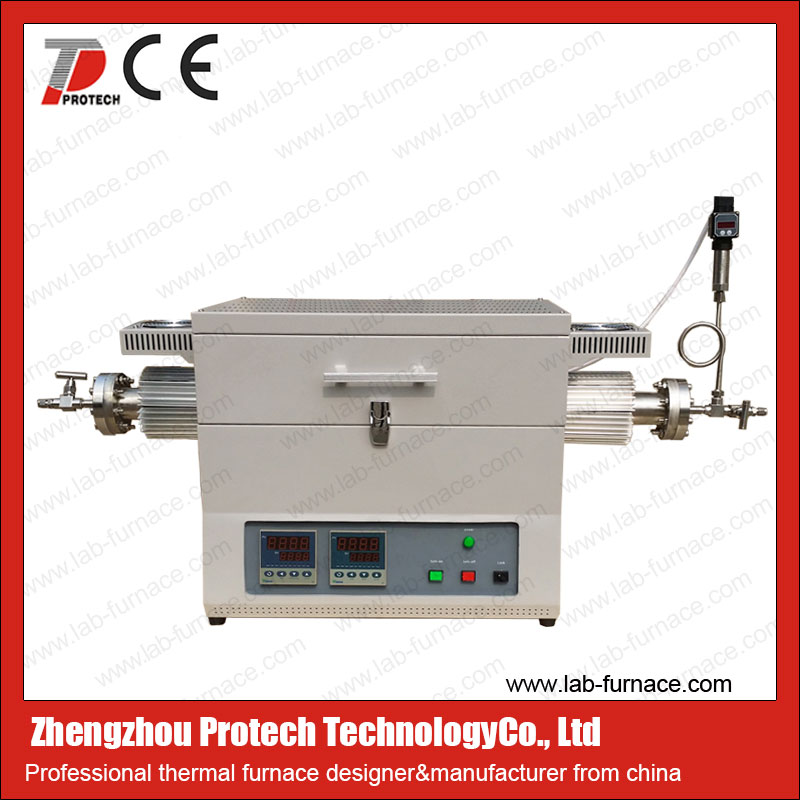
Commonly used vacuum atmosphere CVD tube furnace (click on the image to view product details)
1. Temperature parameters: the basis for the success or failure of experiments
The temperature directly determines whether the sedimentation reaction can proceed smoothly, with a focus on three indicators:
Maximum operating temperature
Common temperatures include 1200 ℃, 1400 ℃, and 1600 ℃. It is recommended to reserve a margin of 50-100 ℃ according to the upper limit of the process to avoid long-term full load operation.
Long term working temperature
Priority should be given to selecting models that meet long-term stable operating temperature standards to prevent high temperature attenuation from affecting experimental consistency.
Temperature control accuracy and temperature field uniformity
The precision of PID intelligent temperature control should reach ± 1 ℃, and the uniformity of the temperature field directly affects the thickness of the film and the purity of the material; Multi temperature zone design is more suitable for gradient sedimentation experiments.
2. Furnace tube and cavity: sealing and temperature resistance are more critical
CVD requires high airtightness, and the material and size of the furnace tube directly affect its service life
Quartz tube: Good transparency, high cleanliness, suitable for inert/reducing atmosphere experiments at ≤ 1100 ℃.
Corundum tube: resistant to high temperature, acid and alkali, suitable for harsh process scenarios up to 1200 ℃.
Pipe diameter and length: Choose according to the sample size and loading amount, commonly using Φ 40- Φ 100mm, taking into account both air flow uniformity and space utilization. Sealing and flange: KF/ISO flange and double sealing ring are used to prevent air leakage and ensure the purity of the atmosphere.
3. Vacuum and Atmosphere Systems: CVD Core Competitiveness
The CVD process relies on a controllable atmosphere environment, which is a parameter that is more easily overlooked:
degree of vacuum
Low vacuum is suitable for conventional blowing, and molecular pump units should be selected for high vacuum requirements, with a vacuum degree of up to 10 ⁻³ Pa level.
Gas path configuration
At least 2-4 gas channels, equipped with high-precision MFC mass flow meters, to control flow rate and proportion.
pressure control
Equipped with pressure gauges and stabilizing valves to maintain a stable micro positive pressure inside the furnace and prevent sample oxidation caused by air backflow.
4. Temperature zone and structure: adapted to different sedimentation processes
Select temperature zone configuration based on experimental type to enhance process flexibility:
Single temperature zone: suitable for conventional annealing, simple deposition, and high cost-effectiveness.
Dual/triple temperature zone: It can achieve temperature control in different zones to meet the segmented processes of precursor evaporation, deposition, and cooling.
Vertical/Horizontal: Horizontal is convenient for loading and observation; Vertical saves space and ensures more uniform powder deposition.
5. Safety and Control: Optional Laboratory Configuration
A stable and reliable control system can reduce experimental risks:
Multi segment program heating up, supporting complex curve editing.
Safety interlocks such as over temperature alarm, trip protection, and power-off when opening the door.
Touchscreen operation, data can be stored and exported for easy viewing of the process.

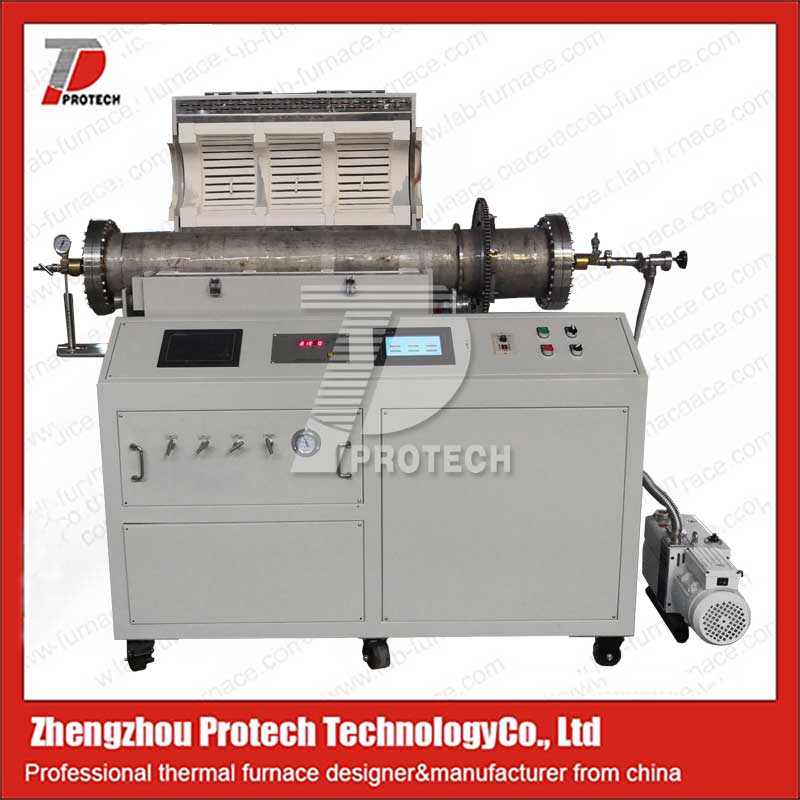
Slide type CVD tube furnace (click on the picture to view product details)
6. Selection Summary
When selecting a CVD tube furnace, priority should be given to checking the parameters in the order of temperature → atmosphere vacuum → furnace tube specifications → temperature zone configuration, matching the preparation requirements of graphene, molybdenum disulfide, oxide thin films, etc., in order to ensure experimental stability and reliable data.
When purchasing CVD tube furnaces in the laboratory, don't just look at the price. Matching core parameters is the key to long-term accurate experiments.Click to learn more CVD devices! Or click on online customer service to learn more about product information!
Leave A Message


