English
 简体中文
简体中文 French
 日本語
日本語 Korean
 Português
 Русский
 Spanish



NEWS
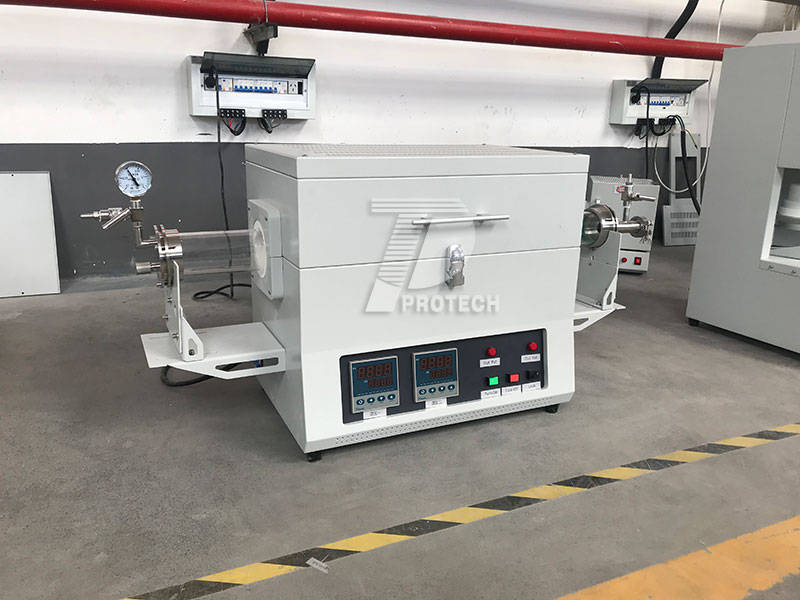
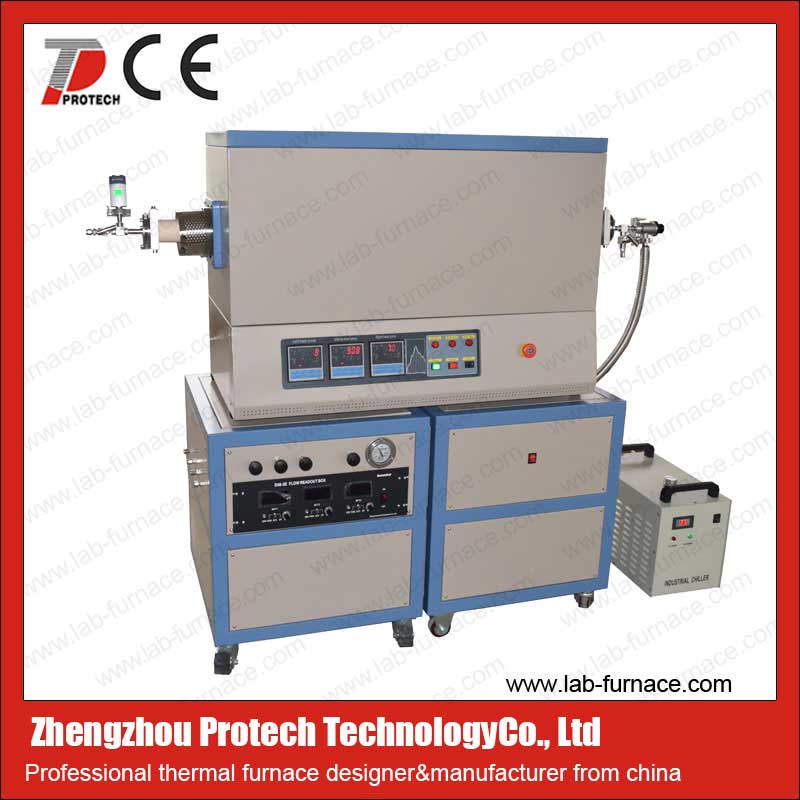
The gradient multi temperature zone tube furnace has shown great advantages in temperature control, process adaptability, energy utilization, and experimental efficiency through independent temperature control design in multiple zones. Let's take a detailed look below!
1. Accurate temperature control and uniform distribution
Independent temperature control capability: Each temperature zone is equipped with independent heating elements and temperature control systems, which can achieve independent temperature setting and adjustment in different areas. For example, in the preparation of composite materials, the low-temperature zone (300 ℃) is used for the decomposition of metal organic precursors, while the high-temperature zone (800 ℃) promotes particle crystallization, avoiding the problem of uneven products at a single temperature.
Temperature gradient simulation: By accurately controlling the temperature in each temperature zone, a continuous temperature gradient can be formed inside the furnace tube to simulate the complex heat treatment process in actual production. For example, in metal quenching experiments, high temperature zones (1000 ℃ austenitization), medium temperature zones (800 ℃ insulation), and low temperature zones (room temperature quenching) are set up to accurately simulate actual process parameters.
Uniformity optimization: Adopting segmented heating and efficient insulation materials (such as alumina fibers) to reduce thermal interference in the temperature range, ensure temperature fluctuations in the furnace are ≤± 1 ℃, and improve experimental reproducibility. For example, in the synthesis of nanomaterials, stable control of reaction temperature can obtain monodisperse nanoparticles.
2. High process flexibility to adapt to complex requirements
Multi stage process integration: The entire process of preheating, reaction, cooling, etc. can be completed in the same furnace, avoiding heat loss and pollution caused by sample transfer. For example, in semiconductor device manufacturing, samples are sequentially subjected to low-temperature oxidation layer removal, medium temperature doping, and high-temperature annealing isothermal zone to improve process efficiency.
Diversified atmosphere control: supports the introduction of vacuum environment and various gases (such as nitrogen, argon, reducing gases) to meet specific material processing needs. For example, in gas-phase reactions such as methane dry reforming, the high temperature zone (900 ℃) promotes the reaction, while the low temperature zone (500 ℃) inhibits the reverse reaction and improves product selectivity.
Personalized customization capability: Parameters such as furnace size, number of temperature zones, and temperature range can be customized according to experimental needs. For example, in the preparation of functionally graded materials (FGM), a smooth transition from metal to ceramic is achieved through zone temperature control, avoiding interface stress concentration.
3. Efficient energy utilization and low operating costs
Energy saving design: By using zone heating and multi-layer insulation materials, heat loss is reduced and energy consumption is lowered. For example, in continuous processing mode, the sample processing time is shortened while reducing the number of equipment starts and stops, and the single batch processing time is reduced from 8 hours to 3 hours.
Intelligent temperature control system: equipped with intelligent algorithms such as PID regulation and fuzzy control, achieving high-precision temperature regulation (temperature control accuracy ± 1 ℃) and avoiding energy waste. For example, in catalyst preparation, the low temperature zone (400 ℃) removes the carrier moisture, while the high temperature zone (800 ℃) promotes the decomposition of active components and improves energy utilization efficiency.
4. Improved experimental efficiency and enhanced data reliability
Multi sample parallel processing: supports simultaneous processing of multiple samples, each in a different temperature range, shortening the experimental period. For example, in catalyst screening experiments, the same furnace can test the activity at different temperatures, reducing equipment usage time.
Real time monitoring and alarm: equipped with self diagnostic function, it can monitor temperature, pressure and other parameters in real time, automatically alarm for abnormal situations such as overheating and leakage, ensuring experimental safety and data reliability. For example, in high-temperature experiments, when the temperature exceeds the set value, it automatically shuts off to prevent equipment damage.
5. Wide range of applications and technological innovation
Research field: Providing powerful tools for materials science research, used to study the changes in physical and chemical properties of materials at different temperatures, explore phase transition laws, thermal stability, etc. For example, in the preparation of graphene, the carbon source is decomposed in the first high-temperature zone (1000 ℃), the deposition rate is controlled in the middle temperature zone (800 ℃), and the ordered lattice arrangement is promoted in the second low-temperature zone (500 ℃) to obtain high-quality thin films.
Industrial production: used for metal heat treatment (such as annealing, quenching), ceramic sintering, glass melting and other processes to improve material mechanical and process properties. For example, in the preparation of electrode materials for lithium-ion batteries, continuous processing steps such as precursor mixing, pre firing, and high-temperature solid-state reaction are achieved.
Emerging fields: Expanding applications in new energy, biomedical, environmental protection and other fields, such as battery material preparation, biomaterial heat treatment, solid waste treatment, etc. For example, in quantum dot synthesis, controllable growth of nanomaterials can be achieved by adjusting reaction kinetics parameters through temperature gradients.
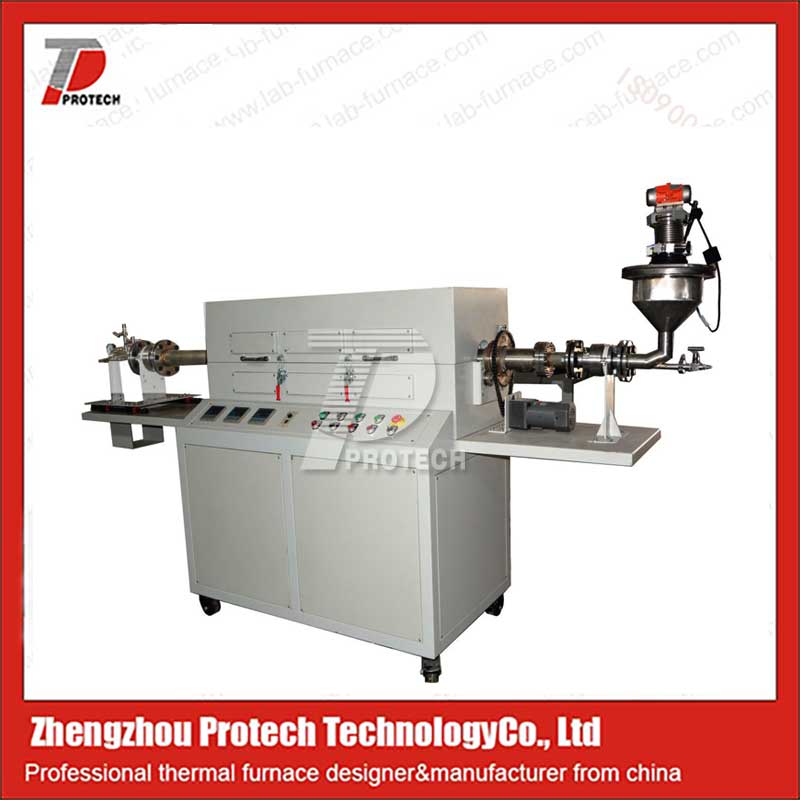
Overall, gradient multi temperature zone tube furnaces have the advantages of precise temperature control, uniform distribution, adaptability to multiple processes, high energy utilization efficiency, and high experimental efficiency. They are highly favored in the heat treatment industry. It is recommended to communicate the parameters with relevant technical personnel before choosing, so as to customize gradient multi temperature zone tube furnaces that are more suitable for one's own experiments or production!Click to learn more Multi gradient tube furnaces! Or click on online customer service to learn more about product information!
Leave A Message