
 English
 简体中文
简体中文 French
 日本語
日本語 Korean
 Português
 Русский
 Spanish



NEWS
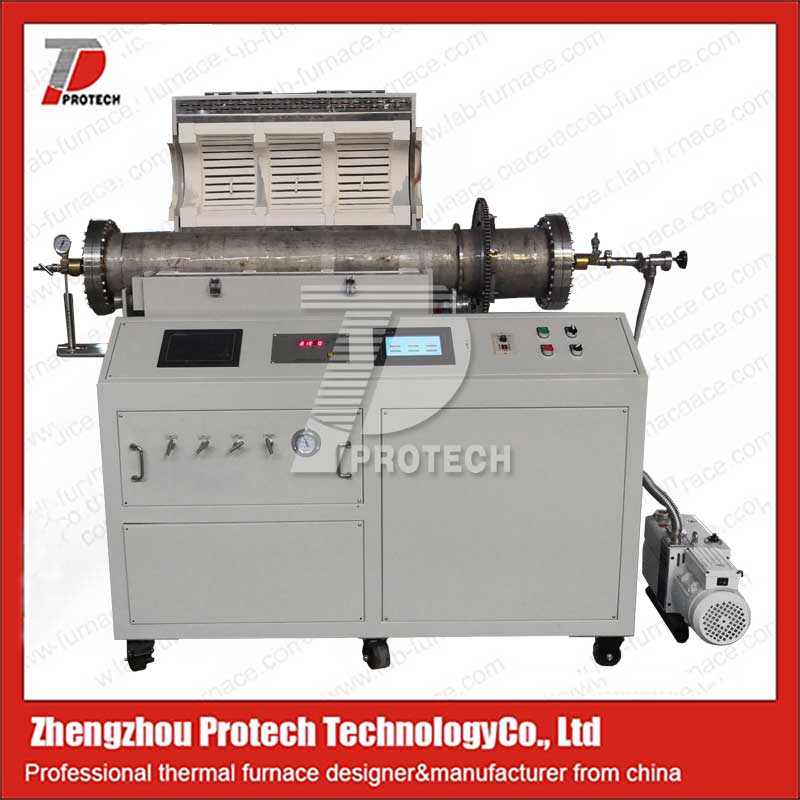
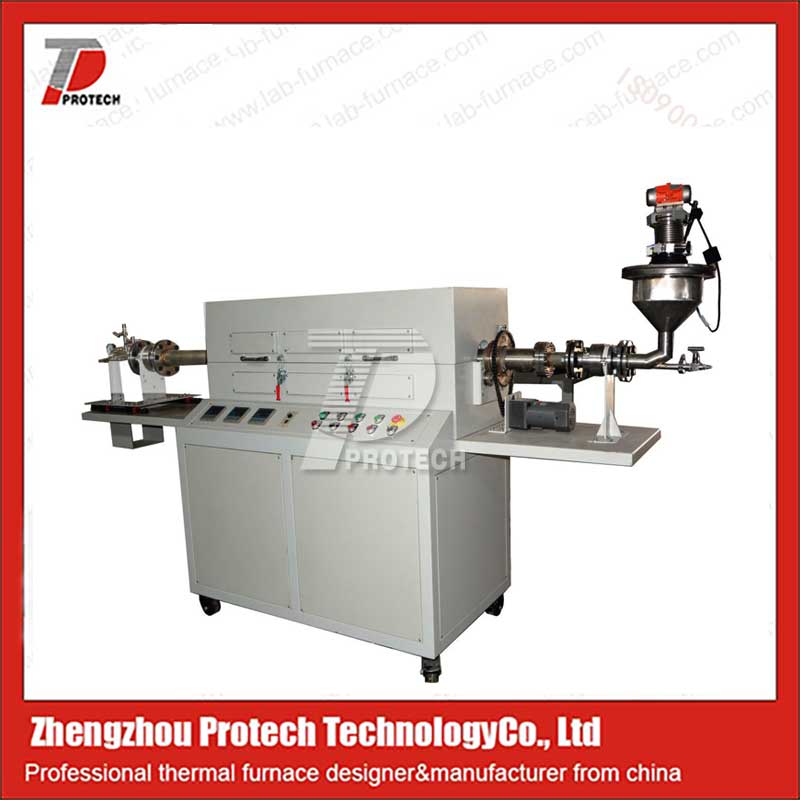
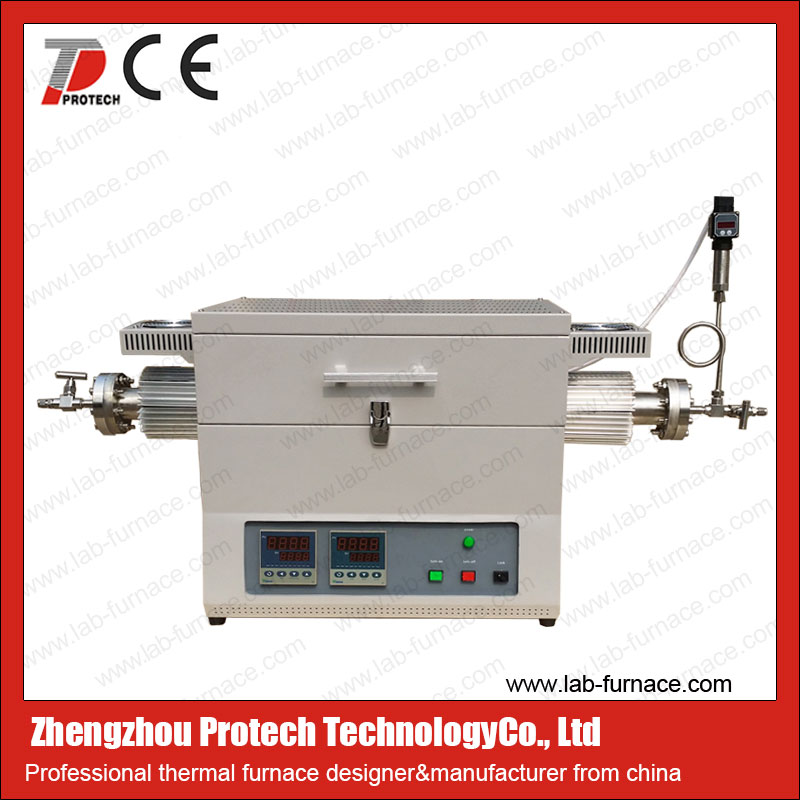
In the field of new material research and development, small experimental rotary tube furnaces have become commonly used experimental equipment in universities, research institutes, and enterprise R&D centers due to their core advantages of compact structure, convenient operation, more accurate temperature control, and uniform heating. It is suitable for limited laboratory space and can meet the experimental needs of sintering, calcination, and reduction of various new materials such as nanomaterials, ceramic materials, and new energy materials. It runs through the entire research and development process, helping to improve efficiency and shorten cycles.
Core characteristics and adaptability of small-scale experimental rotary tube furnace
The characteristics of small-scale experimental rotary tube furnaces are highly compatible with scientific research needs, effectively solving the pain points of traditional equipment and providing more controllable experimental conditions. The core features are as follows:
1. Compact structure, suitable for laboratory scenarios
The equipment has a compact size (furnace length of 200~600mm, outer diameter of 100~200mm), can be directly placed on the experimental table, supports single person operation, and is easy to load and unload materials, suitable for small batch and multi batch scientific research comparative experiment needs.
2. Accurate temperature control to ensure experimental reproducibility
Adopting PID intelligent temperature control system, the temperature control accuracy reaches ± 1 ℃, supporting multi-stage program heating, adjustable heating rate, small furnace temperature difference (within ± 5 ℃ at 1000 ℃), ensuring the consistency and reliability of experimental data.
3. Rotating heating to solve the pain points of uneven heating
The furnace tube can rotate at a uniform speed of 360 ° (0-20rpm, some models can reach 30rpm), allowing the sample to continuously roll and mix, avoiding local overheating and agglomeration, improving the consistency of sample composition and performance, and adapting to high-precision experimental scenarios.
4. Controllable atmosphere, suitable for research and development of multiple types of materials
Supports vacuum (maximum vacuum degree of 10 ⁻³ Pa) and various atmospheres such as inert and reducing, with good sealing performance, which can reduce the oxygen content in the furnace to a very low state, suitable for the research and development experiments of oxygen sensitive materials.
5. Easy to operate, balancing safety and efficiency
Equipped with an intelligent operation interface, supporting parameter settings, real-time monitoring, and data export, coupled with multiple safety protection devices, balancing operational convenience and experimental safety.
The specific application of small-scale experimental rotary tube furnace in the research and development of various new materials
This device is compatible with various new material research and development processes, covering the entire research and development process. The specific applications are as follows:
1. Research and development of nanomaterials
Used for the synthesis and modification of nanomaterials such as TiO ₂, carbon nanotubes, perovskite quantum dots, etc., it can avoid particle oxidation and agglomeration, obtain samples with uniform particle size and good performance, and assist in the research and development of new nano functional materials.
2. Research and development of ceramic materials
Suitable for sintering experiments of special ceramic powders such as silicon nitride and aluminum oxide, to prevent powder oxidation, improve material density and strength, explore better preparation processes, and support the industrial application of special ceramics.
3. Research and development of new energy materials
Applied to sintering and modification of positive electrode materials for lithium batteries (lithium iron phosphate, NCM ternary materials), as well as research and development of fuel cell catalysts, to enhance the electrochemical performance of materials.
4. Research and development of metal materials and powder metallurgy
Used for the reduction and sintering of easily oxidizable metal powders such as titanium alloys and stainless steel, to obtain highly dense metal bodies, suitable for the research and development of precision metal materials such as 3D printed metal parts.
5. Research and development of catalyst materials
Better control of catalyst calcination and activation processes, avoiding aggregation of active components, enhancing catalyst loading capacity and catalytic performance, and adapting to research and development in fields such as automotive exhaust purification and industrial catalysis.
Application advantages and operational precautions
1. Core application advantages
Compared to traditional equipment, its advantages are greater: improving experimental efficiency, ensuring data reliability, wide adaptability, safe and convenient operation, and low energy consumption. Long term use can save laboratory operating costs.
2. Precautions for experimental operation
Attention should be paid in the experiment: the loading amount should not exceed one-third of the furnace tube volume; Clean the furnace tube air before heating up and check the equipment status; Real time monitoring of parameters during experiments to avoid unauthorized operations; After the experiment, let it cool naturally before taking the material. Regularly clean and maintain the equipment and calibrate the parameters.
Conclusion
Small scale experimental rotary tube furnace is an important equipment for new material research and development, widely used in various new material experiments to help solve process problems and shorten the research and development cycle. In the future, it will upgrade towards intelligence and multifunctionality, further adapt to complex research and development needs, and inject momentum into the development and industrialization of new materials.Click to learn more rotary tube furnaces! Or click on online customer service to learn more about product information!
Leave A Message


