
 English
 简体中文
简体中文 French
 日本語
日本語 Korean
 Português
 Русский
 Spanish



NEWS
In the metal heat treatment industry, the box type tempering furnace is a commonly used heat treatment equipment, widely used for tempering, aging, and annealing treatment of workpieces such as molds, steel, hardware parts, and castings. A box type tempering furnace adapted to the process can not only ensure that the hardness and toughness of the workpiece meet the standards, but also improve production efficiency, reduce energy consumption and failure rate. Faced with a wide variety of models and configurations of products on the market, many procurement personnel are confused: how to choose a suitable box type tempering furnace? Here are some key points to know when purchasing, to help you better select and avoid detours.

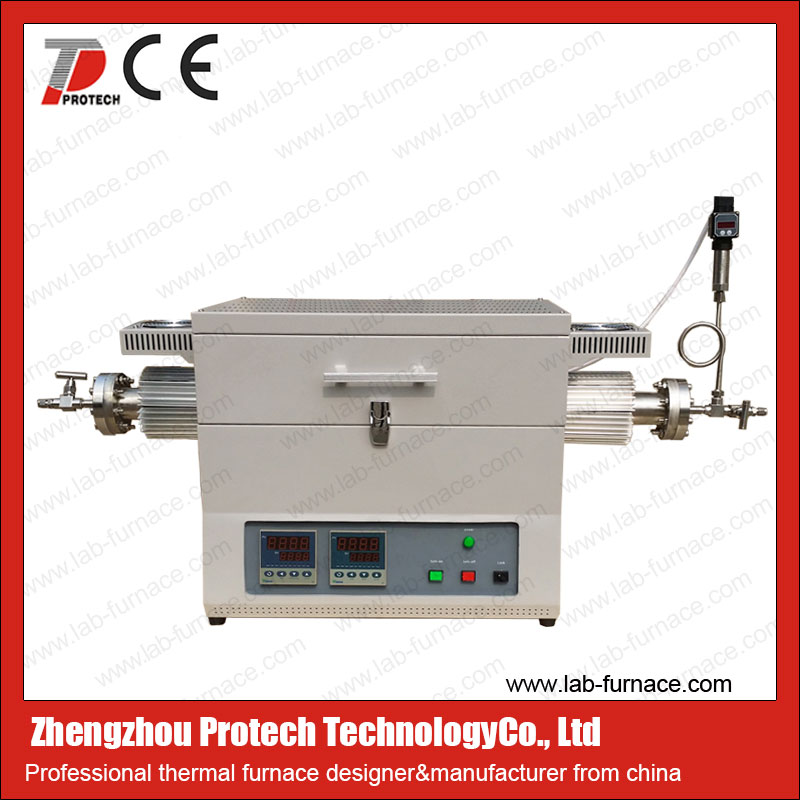
A commonly used small box type tempering furnace (click on the picture to view product details)
1. Determine temperature range based on workpiece type and process requirements
Temperature is the core indicator of tempering process, and the first step in selection is to match the actual working temperature.
Ordinary carbon steel and hardware tempering: The temperature requirement is mostly between 300 ℃~650 ℃, which can be met by a conventional standard box type tempering furnace.
Tempering of mold steel and high alloy steel: often requires a high temperature range of 650 ℃~1200 ℃, and a high-temperature box type tempering furnace should be selected.
Precision workpieces and aluminum alloy processing: high requirements for temperature uniformity and temperature control accuracy, it is recommended to choose PID intelligent temperature control models.
When purchasing, do not blindly pursue high temperatures. High temperatures not only increase procurement costs, but also cause energy waste. Insufficient temperatures directly lead to substandard workpiece performance.
2. Pay attention to furnace size and loading capacity, match production scale
The furnace size of the box type tempering furnace directly determines the single processing capacity and applicable workpiece size.
Small batch, precision small parts: Choose a small laboratory box type tempering furnace, which occupies a small area, heats up quickly, and has low cost.
Medium scale mass production: Select the appropriate length, width, and height based on the size of the workpiece, and choose the corresponding furnace specifications to avoid the workpiece being unable to fit in or wasting space.
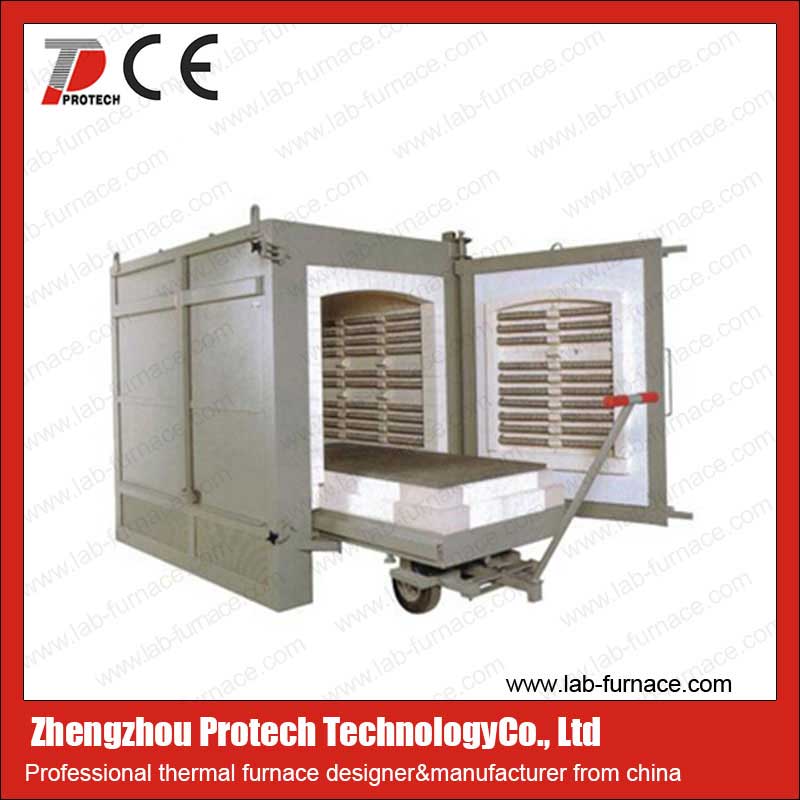
Large workpieces and large-scale production: Customization of large box type tempering furnaces or trolley type tempering furnaces can be considered to improve processing efficiency.
At the same time, it should be noted that excessive loading will affect the circulation of hot air, resulting in uneven temperature field. Reasonable space should be reserved when selecting.
3. Temperature control accuracy and temperature field uniformity are core indicators
The tempering quality is highly dependent on temperature stability, which is the key to distinguishing the quality of equipment.
Priority should be given to PID intelligent temperature control and programmable temperature control systems, which have high temperature control accuracy and minimal temperature fluctuations.
A high-quality box type tempering furnace will be equipped with a hot air circulation system to ensure uniform temperature inside the furnace and avoid local overheating or insufficient tempering of the workpiece.
For industries with high precision requirements, such as molds and aviation components, it is necessary to check the temperature field uniformity detection data to avoid product scrap due to temperature differences.
4. The furnace structure and sealing performance determine its service life
The durability and sealing of equipment directly affect the cost of use and process safety.
The furnace lining is made of good insulation refractory materials, which have good insulation effect, low energy consumption, and long service life.
The layout of heating elements is reasonable, with materials that are resistant to high temperatures and oxidation, reducing the frequency of replacement.
The sealing structure is reliable and can effectively prevent heat loss and air ingress, especially for tempering processes that require a protective atmosphere.
A box type tempering furnace with a solid structure is more stable for long-term continuous operation and has lower maintenance costs in the later stage.
5. Energy efficiency and automation level affect operating costs
Energy saving and automation are key selection points that cannot be ignored for long-term use of industrial equipment.
The energy-saving box type tempering furnace adopts thickened insulation layer and optimized hot air circulation design, which can greatly reduce power consumption compared to ordinary models.
The fully automatic control system can achieve automatic heating, constant temperature, cooling, alarm and other functions, reducing manual operation and improving production safety.
Some models support data recording and remote monitoring, adapting to the needs of modern workshop management.
6. Choose reliable manufacturers and provide comprehensive after-sales service
Equipment procurement is not just about buying products, but also about buying long-term technical support.
Priority should be given to legitimate box type tempering furnace manufacturers with years of experience in manufacturing heat treatment equipment and complete qualifications.
Support non-standard customization and provide exclusive solutions based on the workpiece, site, and process.
We have a complete service system including installation and debugging, operation training, after-sales maintenance, and parts supply.
Reliable manufacturers can effectively avoid equipment failures, after-sales buck passing, and other issues, ensuring continuous and stable production.
7. Based on comprehensive budget comparison, do not blindly pursue low prices
Price is an important reference factor in procurement, but we cannot just look at the bottom price.
A low price often means that the material is average, the configuration is simplified, the temperature control accuracy is poor, and long-term use actually increases hidden costs.
On the premise of meeting the process requirements, compare equipment configuration, quality, and after-sales service to comprehensively select products with higher cost-effectiveness.
Customized models require clear communication in advance regarding specifications, materials, and delivery cycles to avoid disputes over additional items in the future.
Summary
The selection of a suitable box type tempering furnace is based on a comprehensive judgment of six dimensions: workpiece type, process temperature, production scale, temperature control accuracy, equipment quality, and manufacturer strength. There is no absolute best equipment, only models that are more suitable for one's own production needs.
By clarifying the process parameters before procurement, conducting on-site inspections or consulting with professional manufacturers, one can select a box type tempering furnace that operates stably, has good tempering effects, and is cost-effective, ensuring product quality and production efficiency.Click to learn more box furnaces! Or click on online customer service to learn more about product information!
Leave A Message


