
 English
 简体中文
简体中文 French
 日本語
日本語 Korean
 Português
 Русский
 Spanish



NEWS
The graphite vacuum furnace uses graphite heating elements combined with graphite felt insulation heat field, which can achieve high-temperature sintering at 1600-2300 ℃ and complete material densification under vacuum or inert protective atmosphere. It is a core heat treatment equipment in the fields of powder metallurgy, advanced ceramics, and carbon composite materials. The vacuum environment can effectively prevent high-temperature oxidation and decarburization of workpieces, ensure the density and mechanical properties of sintered parts, and is suitable for sintering, degreasing, annealing, carbonization and other processes of refractory materials and high-performance new materials.
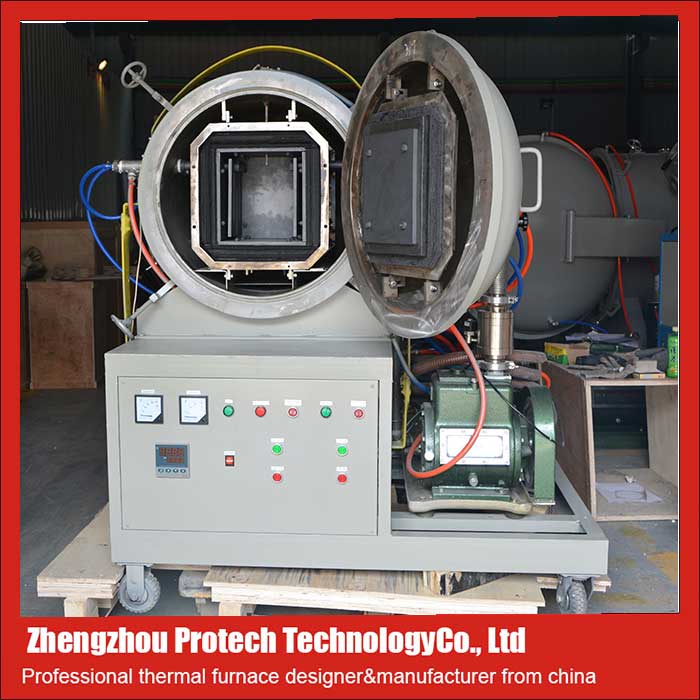
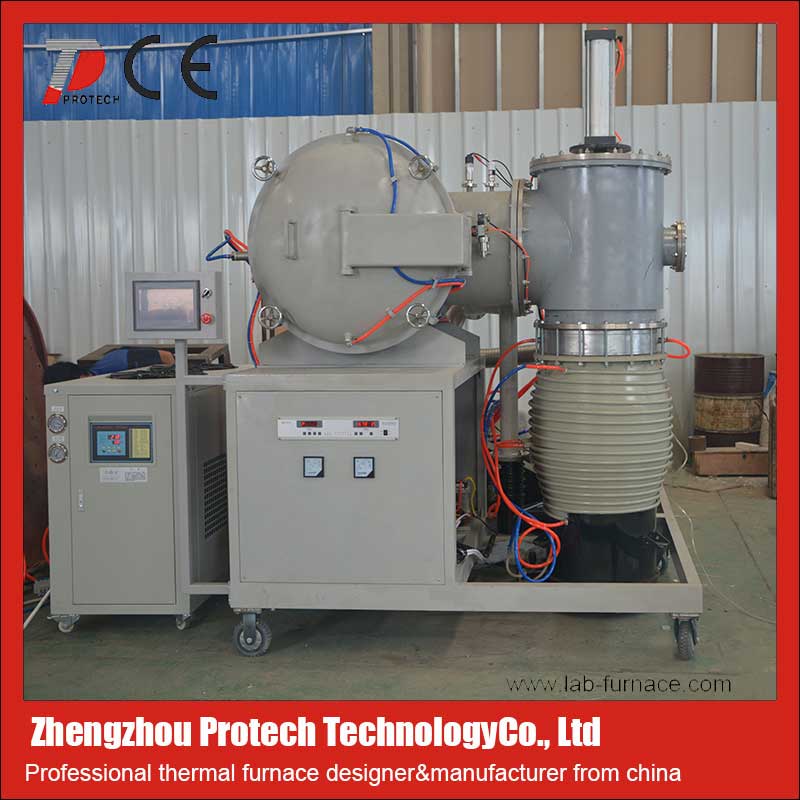
Commonly used graphite vacuum furnace (click on the image to view product details)
1. The main materials that can be sintered in graphite vacuum furnace
(1). Hard alloy and powder metallurgy metal materials
This is a relatively mature application direction for graphite vacuum furnaces, mainly including tungsten carbide hard alloys, tungsten molybdenum refractory alloys, titanium alloys, copper tungsten alloys, and iron-based/nickel based powder metallurgy parts.
In a vacuum high-temperature environment, powder bodies achieve liquid-phase sintering, eliminate internal pores, improve workpiece hardness and wear resistance, and are widely used in cutting tools, mining drill bits, molds, and mechanical wear-resistant accessories.
(2). Advanced high-temperature structural ceramics
Suitable for sintering structural ceramics such as silicon carbide SiC, boron carbide B ₄ C, silicon nitride, zirconia, alumina, etc.
This type of ceramic has a high sintering temperature, and ordinary air furnaces are prone to oxidation and deterioration. The graphite vacuum furnace provides an oxygen free high-temperature environment, which enhances the density, bending strength, wear resistance, and corrosion resistance of ceramics. It is used for wear-resistant parts, bulletproof ceramics, and semiconductor ceramic components.
>Tip: For high-purity ceramics such as aluminum nitride, some processes require the use of metal thermal field vacuum furnaces to avoid carbon pollution, and the selection needs to be differentiated.
(3). Carbon/carbon composite materials, carbon materials
Carbon based materials such as carbon carbon composites, graphite products, graphene, carbon nanotubes, etc.
High temperature vacuum sintering improves the thermal conductivity, high temperature resistance, and thermal shock resistance of materials, and is commonly used in high-temperature molds, aviation hot end components, and new energy electrode materials.
(4). Functional magnetic materials and special materials
Rare earth magnetic materials, porous functional materials, metal ceramic composite materials, etc. can complete vacuum sintering and stress annealing, stabilize magnetic properties, and reduce internal defects of materials.
2. Mainstream application industry fields
(1). Powder metallurgy&hard alloy industry
Hard alloy cutting tools, geological mining drill bits, stamping molds. The graphite vacuum sintering furnace can complete the integrated process of degreasing and sintering in batches, with small deformation and stable performance of the finished product, making it a standard equipment for the production of hard alloys.
(2). Advanced Ceramic New Materials Industry
Structural ceramics, bulletproof ceramics, wear-resistant ceramics, semiconductor ceramic components, research and development of new materials laboratory and small-scale production of pilot scale, material sintering experiments in universities and research institutes.
(3). Aerospace and Defense Fields
Carbon carbon composite hot end parts, refractory alloy components, high-temperature resistant structural components, vacuum sintering+high-temperature heat treatment, meet the stringent requirements of lightweight, high-temperature resistant, and impact resistant aviation components.
(4). New Energy and Electronic Semiconductor Industry
Carbon electrodes, graphite accessories, special ceramic electronic substrates, sintering of new material research and development samples.
(5). Research Institute Laboratory
Major universities and material research institutes are used for the research and development of new material formulas, small sample sintering tests, supporting flexible adjustment of atmosphere and temperature processes, and can conduct various heat treatment experiments such as gradient heating, insulation, annealing, etc.
3. Advantages of Graphite Vacuum Furnace Sintering Process
(1). Ultra high temperature resistance: Graphite has good high-temperature stability in the thermal field, with a maximum temperature of over 2200 ℃, meeting the sintering needs of the vast majority of refractory materials;
(2). Fast heating speed, low thermal inertia, high temperature control accuracy, uniform temperature field, and good consistency of workpiece sintering;
(3). Vacuum isolation of oxygen to prevent oxidation and decarburization of workpieces and reduce impurity pollution;
(4). Support atmosphere switching, inert protective atmospheres such as vacuum and argon, and adapt to various sintering processes;
(5). Easy maintenance of the thermal field, simple replacement of graphite components, high cost-effectiveness of equipment, suitable for industrial mass production and laboratory research and development.
4. Selection Tips
(1). It is not recommended to use a graphite thermal field vacuum furnace for sintering high-purity ceramics that are easily contaminated by carbon, such as transparent aluminum nitride ceramics;
(2). Determine the effective size and ultimate vacuum index of the furnace based on the sintering temperature of the material and the size of the billet;
(3). Priority should be given to confirming the service life of insulation graphite parts and after-sales support for vulnerable parts during continuous production.
The graphite vacuum furnace supports non-standard customization, and can customize the furnace, vacuum unit, and temperature control system according to the customer's workpiece size, sintering temperature, and atmosphere process requirements. It is suitable for laboratory trials to industrial batch sintering production.Click to learn more customized vacuum furnaces! Or click on online customer service to learn more about product information!
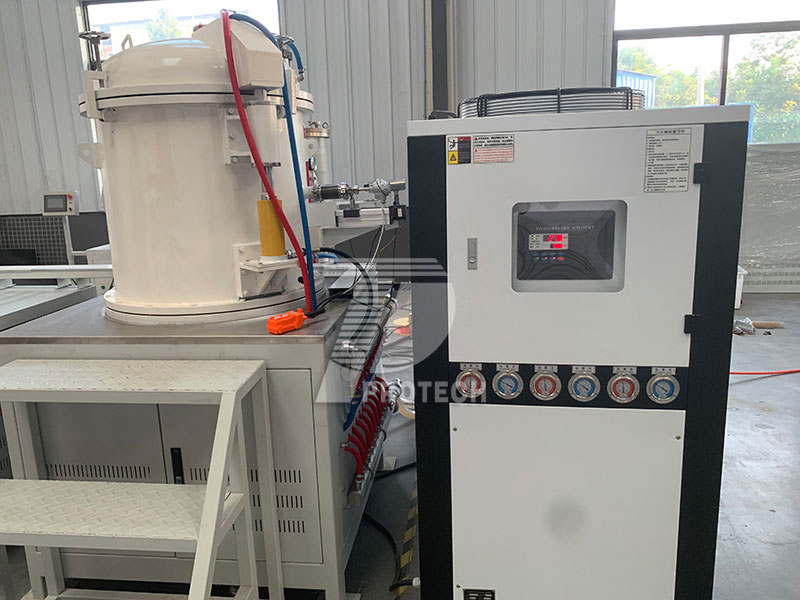
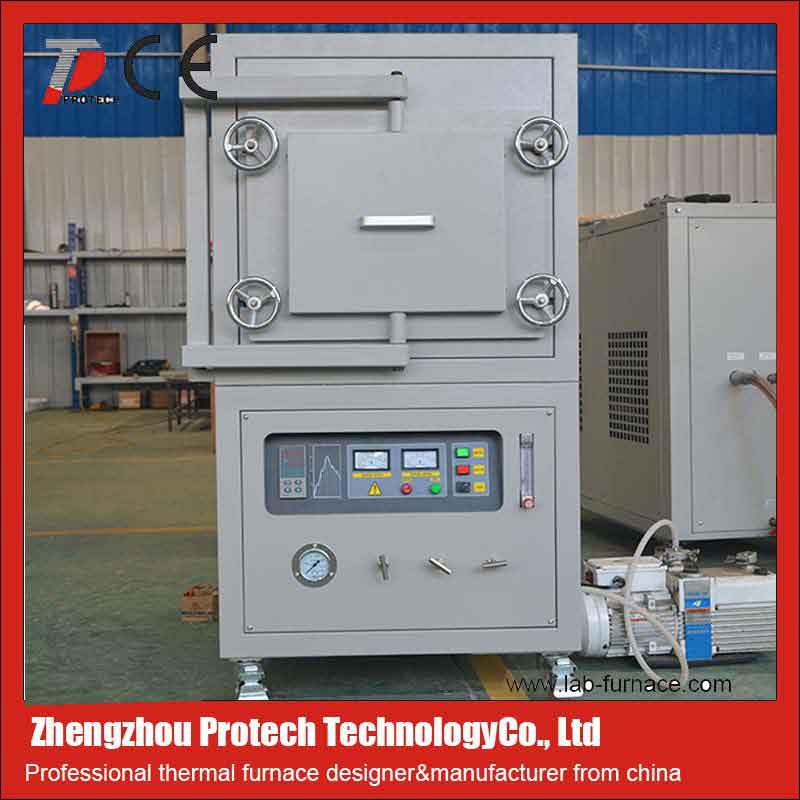
Customized vertical graphite vacuum furnace (click on the image to view product details)
FAQ
Q: Can graphite vacuum furnace only be used for sintering?
A: Not only sintering, but also heat treatment processes such as vacuum degreasing, high-temperature annealing, and vacuum brazing can be completed for workpieces.
Q: Will graphite vacuum furnace sintering contaminate the workpiece?
A: For carbon materials, hard alloys, and silicon carbide ceramics, the impact of carbon pollution is minimal; However, for sensitive materials such as high-purity oxides and aluminum nitride, carburization is prone to occur, and the selection process needs to be evaluated in advance.
Leave A Message


