
 English
 简体中文
 French
 日本語
 Korean
 Português
 Русский
 Spanish



NEWS
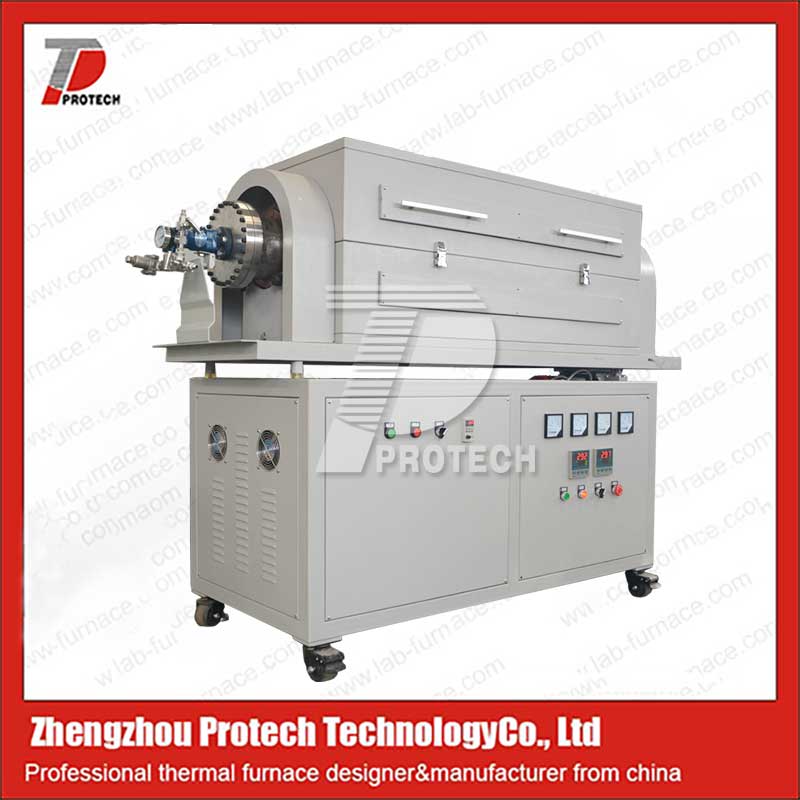
High temperature rotary furnace is a commonly used continuous thermal equipment in the heat treatment process of new materials such as lithium battery materials, ceramic powders, catalysts, and inorganic minerals. Unlike static heat treatment equipment such as box furnaces and vertical tube furnaces, it relies on the rotation of the cylinder to achieve dynamic calcination, sintering, reduction, and rubber removal of materials. Many powder manufacturers prioritize comparing the differences between rotary heat treatment and static heat treatment when selecting.
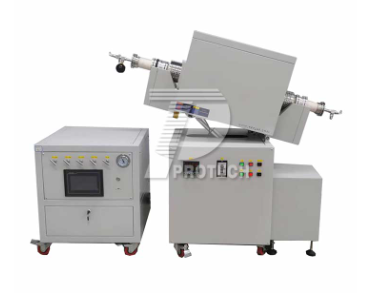
Small high-temperature rotary furnace (click on the image to view product details)
1. Working principle of high-temperature rotary furnace
The core of the high-temperature rotary furnace consists of a rotatable high-temperature resistant cylinder, a drive system, a heating temperature zone, an atmosphere gas path, an inlet and outlet mechanism, and a sealing component. The cylinder is generally installed with a slight inclination, and the motor drives the cylinder to rotate steadily at low speed. Powder and granular materials are fed into the furnace from the high-end feeding port, and as the cylinder rotates, they continuously roll, lift, and slide, relying on gravity to slowly move towards the discharge end.
The heating zone adopts resistance heating, which can be designed as a single temperature zone or multiple temperature zones with independent temperature control, and set segmented process curves for heating, insulation, and cooling. The furnace can be filled with protective gases such as nitrogen and argon, and can also be evacuated to create a process environment for oxidation, reduction, and inert protection.
During the process of rolling and advancing materials in the furnace, they continuously come into full contact with the high-temperature environment and process atmosphere; By adjusting the rotational speed and tilt angle of the cylinder, the residence time of the material in the high-temperature zone can be more accurately controlled. This can be used for both small-scale intermittent testing and continuous automated production modes such as feeding, heat treatment, and discharging. The material of the cylinder can be selected according to the process, such as quartz, corundum, silicon carbide, high-temperature resistant alloy, etc.
2. The core advantages of rotary heat treatment
(1). Uniform heating and high product consistency
Static box bowl sintering is prone to powder accumulation, insufficient heating of inner layer materials, overburning of surface layer, resulting in color difference and significant performance fluctuations in the finished product. The rotary furnace continuously flips the materials, and each powder can be alternately exposed to the temperature field, eliminating heating dead corners and significantly reducing undercooking, overburning, and agglomeration phenomena. It has better batch stability and is suitable for the production of new materials with high consistency requirements.
(2). Adequate gas-solid contact leads to higher reaction efficiency
The rolling process of the powder continuously updates the surface boundary layer of the particles, and the process atmosphere can continue to fully contact with the material. The reduction, nitriding, carbonization, and calcination reactions are more complete, and the volatiles and rubber products are more easily discharged with the exhaust gas, improving the material conversion rate and product purity. This is a prominent advantage of atmosphere heat treatment.
(3). Suitable for continuous mass production, with obvious production capacity advantages
Box type furnaces are mostly produced in batches, which take a long time to load, cool, and discharge materials. The high-temperature rotary furnace can operate continuously for 24 hours, with synchronous feeding, heat treatment, and discharging. It has a high degree of automation and reduces the workload of manual boxing and material transportation, making it suitable for medium and large-scale powder production lines.
(4). Wide range of process adaptation and strong flexibility
Supports oxidation, inert atmosphere, and reducing atmosphere, and some models support low vacuum environment; The temperature range covers medium and low temperature drying and gelatinization to high temperature calcination above 1600 ℃. The rotation speed, inclination angle, atmosphere flow rate, and temperature zone curve can all be independently set, and can be adapted to lithium battery powder, ceramic powder, fluorescent powder, catalyst, and mineral powder. The laboratory and industrial production models are complete.
(5). Reduce material clumping and adhesion
Powder is prone to agglomeration and adhesion at high temperatures. Continuous gentle rolling can avoid prolonged compaction and accumulation of powder, effectively reducing the probability of plate formation and wall sticking. Subsequent screening is simple, reducing waste and improving product yield.
3. Applicable scenarios and selection tips
High temperature rotary furnaces are widely used in processes such as calcination of lithium positive and negative electrode materials, sintering of ceramic powders, fluorescent powders, catalysts, carbon materials, inorganic mineral calcination, and powder gelatinization.
When selecting, it is important to confirm the maximum long-term operating temperature, cylinder material, sealing structure, atmosphere sealing, number of temperature zones, and processing capacity. If the powder is ultrafine and prone to dust, it is necessary to have a reasonable tail gas dust removal and anti lifting structure.
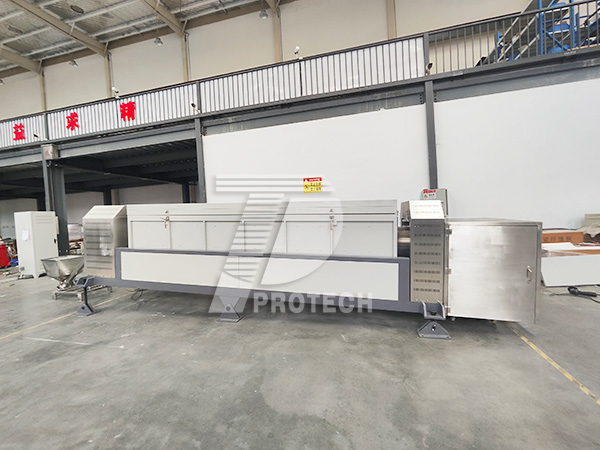
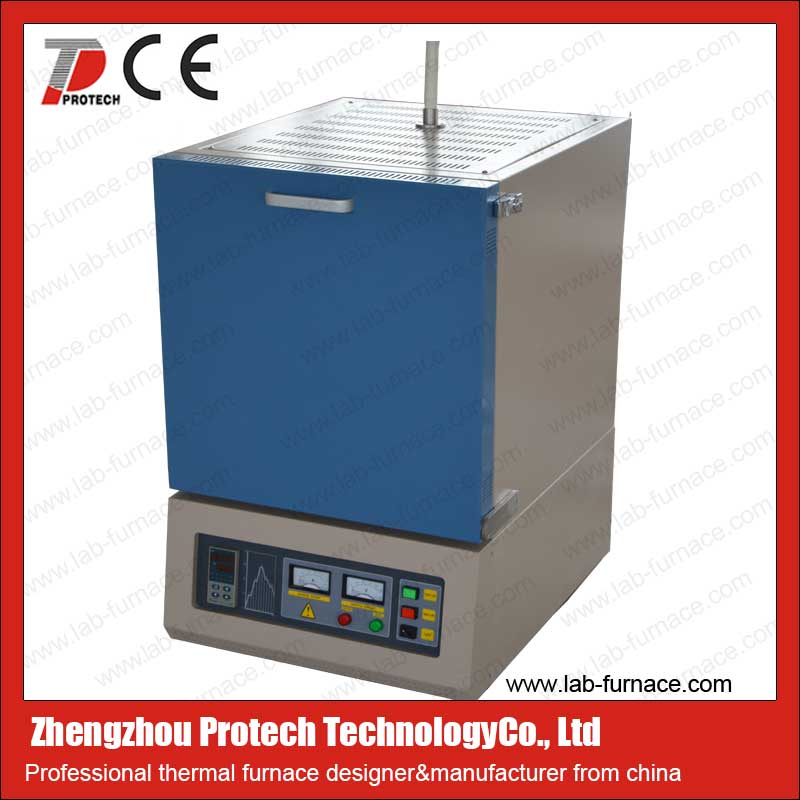
Industrial high-temperature rotary furnace (click on the image to view product details)
4. Conclusion
The high-temperature rotary furnace relies on the rotation of the cylinder to achieve dynamic heat treatment. Its value lies in solving the pain points of uneven heating and poor atmosphere exchange in static furnaces, while also balancing experimental research and continuous mass production. It is one of the mainstream equipment for heat treatment of powder new materials. For high-temperature rotary furnaces that require non-standard customized atmosphere, size, and temperature zone configuration, you can contact professional electric furnace manufacturers to discuss process solutions.Click to learn more customized rotary tube furnaces! Or click on online customer service to learn more about product information!
Leave A Message


