
 English
 简体中文
 French
 日本語
 Korean
 Português
 Русский
 Spanish



NEWS
High temperature atmosphere furnace (also commonly known as vacuum atmosphere furnace or controllable atmosphere furnace) is a commonly used sealed heat treatment electric furnace in the new materials, powder metallurgy, and lithium battery ceramic industries. The difference from a regular muffle furnace is that the furnace has good sealing performance. It can first evacuate and replace the air, and then introduce designated process gases to complete sintering, annealing, calcination, solid-phase synthesis and other processes in a controlled atmosphere environment, avoiding sample oxidation and decarburization at high temperatures and ensuring stable performance of the finished product. Many procurement and R&D personnel ask: What gases can be used in high-temperature atmosphere furnaces? What processes are suitable for different gases? Below is a detailed explanation for everyone.

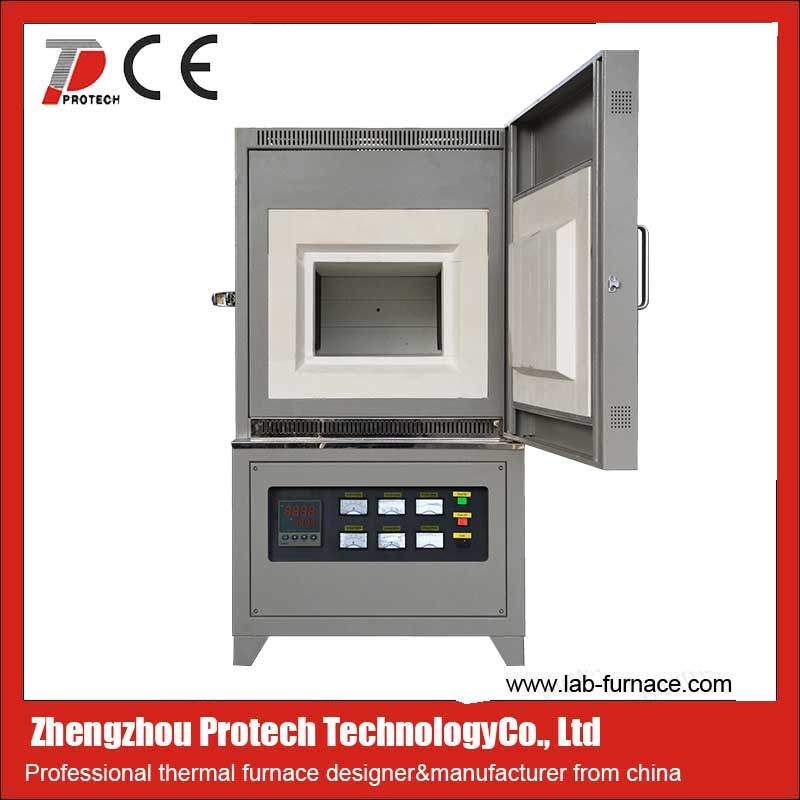
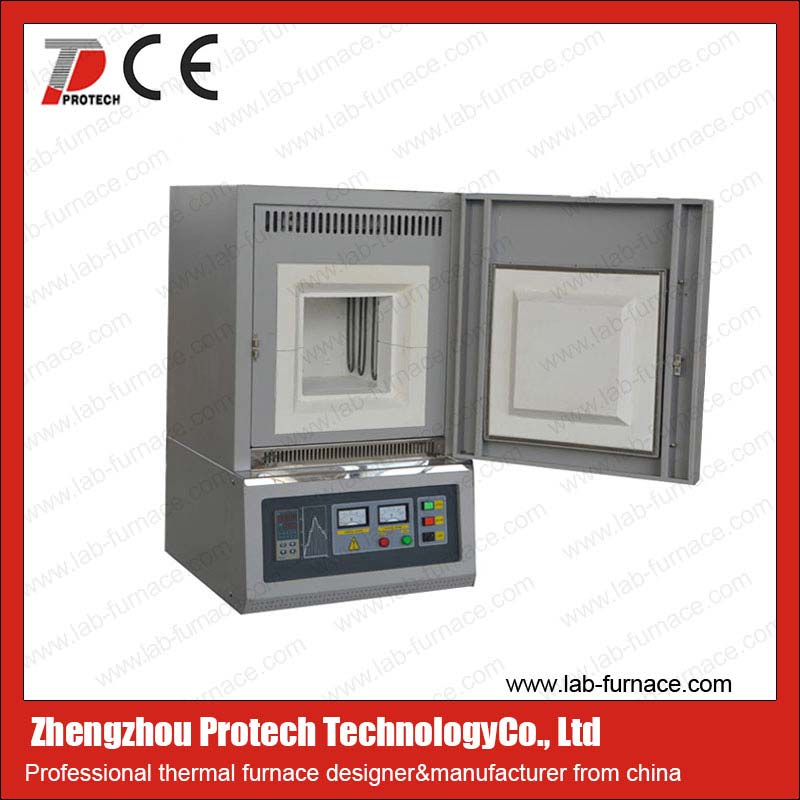
A commonly used high-temperature atmosphere furnace (click on the image to view product details)
1. Classification and application of commonly used gases in high-temperature atmosphere furnaces
According to the action of gases, they are generally divided into four categories: inert protective gases, reducing gases, oxidizing gases, and carburizing modified gases. Different equipment structures support different types of gases, and flammable and explosive gases such as hydrogen require explosion-proof configuration of the furnace body.
(1). Inert protective gas (commonly used)
-Nitrogen N ₂: The most cost-effective and widely used. The main function is to isolate oxygen and prevent material oxidation, suitable for sintering ceramic powders, graphite materials, general inorganic powders, and metal neutral annealing. Attention: Some alloy materials may undergo nitriding reaction with nitrogen at high temperatures, and it is not recommended to protect these materials with nitrogen.
-Argon Ar: A high-purity inert gas with more stable chemical properties and low activity. Suitable for sensitive powders such as titanium alloys, zirconium alloys, rare earth materials, and lithium positive electrode materials that are prone to oxidation. The price is higher than nitrogen, and argon is preferred for processes that require high atmosphere purity.
(2). Reducing gas
-Hydrogen H ₂: a strong reducing atmosphere used to reduce surface oxides of materials, achieving bright sintering and metal degreasing reduction. High usage requirements, must be equipped with explosion-proof and gas alarm devices, standardized ventilation, mostly used in powder metallurgy, copper based alloys, and oxide reduction processes.
-Ammonia decomposition gas: Ammonia gas decomposes to obtain a hydrogen nitrogen mixture gas, which has both reduction and nitriding effects and is commonly used in steel nitriding heat treatment.
(3). Oxidizing gas
-Oxygen O ₂, air: used in processes that require oxidation reactions, such as calcination of oxide powders and oxidation synthesis of positive electrode materials. If oxygen needs to be supplied to a regular atmosphere furnace, the furnace and sealing materials must be upgraded to be resistant to oxidation, and ordinary graphite furnaces cannot be directly used.
(4). Carbonization and reactive gases
-Methane, propane, etc. are commonly used for surface modification heat treatment of steel carburizing and carbonitriding, and belong to customized atmosphere schemes. They are generally used in conjunction with industrial heat treatment furnaces.
>Tip: A high-temperature atmosphere furnace does not support all gases by default. When purchasing, it is necessary to inform the manufacturer in advance about the use of atmosphere, furnace material, sealing, pipelines, and safety systems that should be matched accordingly.
2. Working principle of vacuum atmosphere heat treatment equipment
The complete system of the vacuum atmosphere furnace consists of a sealed furnace body, heating system, vacuum unit, gas path control system, and intelligent temperature control instrument. Standard workflow:
(1). The furnace door is closed and sealed, and the vacuum pump is started to extract air from the furnace to reduce the oxygen content;
(2). Inject process gas at the set flow rate through a precision flowmeter, continuously replace residual air, maintain a slight positive pressure in the furnace, and prevent backflow of external air;
(3) PID program temperature control, running heat treatment according to preset heating, insulation, and cooling curves;
(4). After the process is completed, stop gas, cool down, and release the extruded material according to the specifications.
Mainstream temperature range: 1200 ℃, 1400 ℃, 1600 ℃, 1700 ℃, divided into two structures: box atmosphere furnace and tube atmosphere furnace, supporting different production capacities for small-scale, pilot, and mass production.
3. Main application areas of high-temperature atmosphere furnace
-Lithium battery new materials: positive electrode materials, negative electrode powder calcination and sintering;
-Ceramic industry: sintering of alumina, zirconia ceramics, and special ceramics;
-Powder metallurgy: sintering of metal powders, annealing of alloys, brazing;
-Research institutes: synthesis of inorganic materials, solid-state reaction experiments;
-Metal heat treatment: bright annealing and degreasing of stainless steel and copper alloys.
4. Key points for selecting high-temperature atmosphere furnaces
(1). Priority confirmation of atmosphere requirements: first determine whether hydrogen and oxygen will be used for long-term gas use, and then determine the furnace material and safety configuration;
(2). Temperature and uniformity of temperature field: Reserve a margin for the maximum operating temperature and do not operate at full temperature for a long time; The uniformity of temperature field in multi temperature zone structures is better;
(3). Vacuum index: Only use mechanical pumps for atmosphere protection; Need high vacuum degassing, impurity removal, and optional molecular pump unit;
(4). Non standard customization: furnace size, feeding and discharging methods, gas path channels, and number of program segments can all be customized according to needs;
(5). Safety equipment: Hydrogen gas working conditions must be equipped with hydrogen gas alarm, explosion-proof structure, and flameout protection.
5. Frequently Asked Questions
Q: Can a high-temperature atmosphere furnace be evacuated and ventilated at the same time?
A: Sure, many processes use a continuous flow atmosphere mode of "drawing while passing" for continuous replacement, depending on the specific process requirements.
Q: How to choose between nitrogen and argon?
A: Select nitrogen gas for ordinary ceramics and graphite; Easy to oxidize, high-value powders, and alloy materials prefer argon gas.
Q: Are atmosphere furnace and vacuum furnace the same thing?
A: It's different. Vacuum furnaces focus on high vacuum environments; The atmosphere furnace is mainly controlled by ventilation, and most models have vacuum function, which can be evacuated and inflated, also known as vacuum atmosphere furnace.

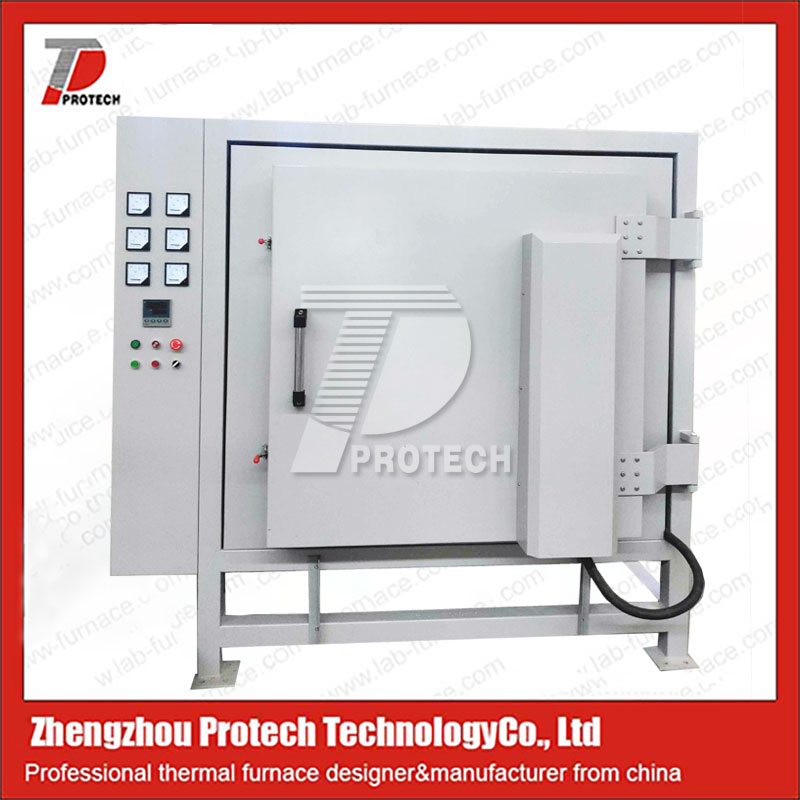
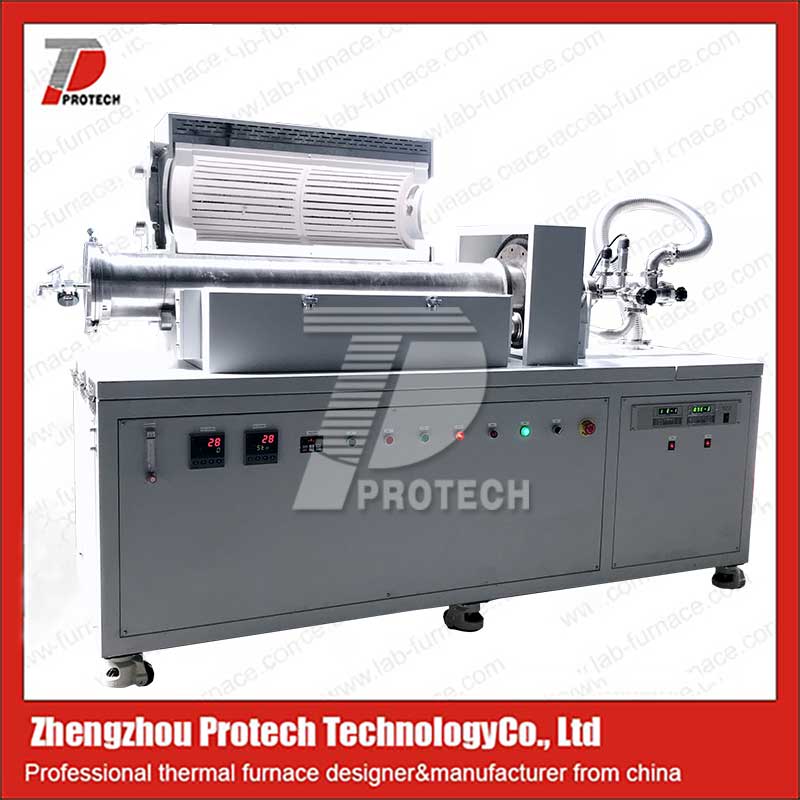
Customized furnace with high temperature atmosphere (click on the image to view product details)
Summary
The selection of gas for high-temperature atmosphere furnace directly determines the quality of heat treatment products, and process selection cannot be based solely on temperature. If you need to customize a box/tube type high-temperature atmosphere furnace, we can provide suitable equipment solutions for you, including operating temperature, furnace size, gas inlet, and processing materials.Click to learn more Atmosphere Furnaces! Or click on online customer service to learn more about product information!
Leave A Message


