English
 简体中文
简体中文 French
 日本語
日本語 Korean
 Português
 Русский
 Spanish



NEWS
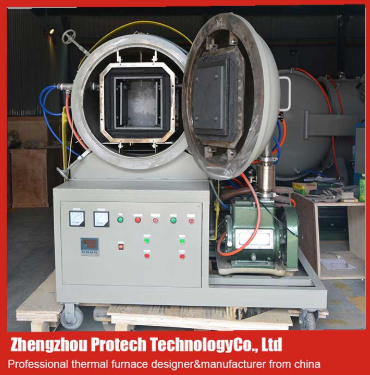
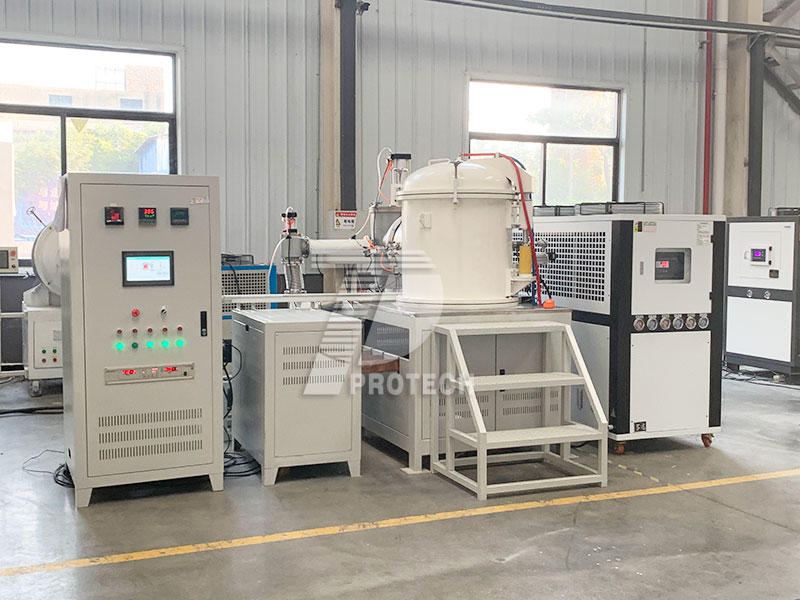
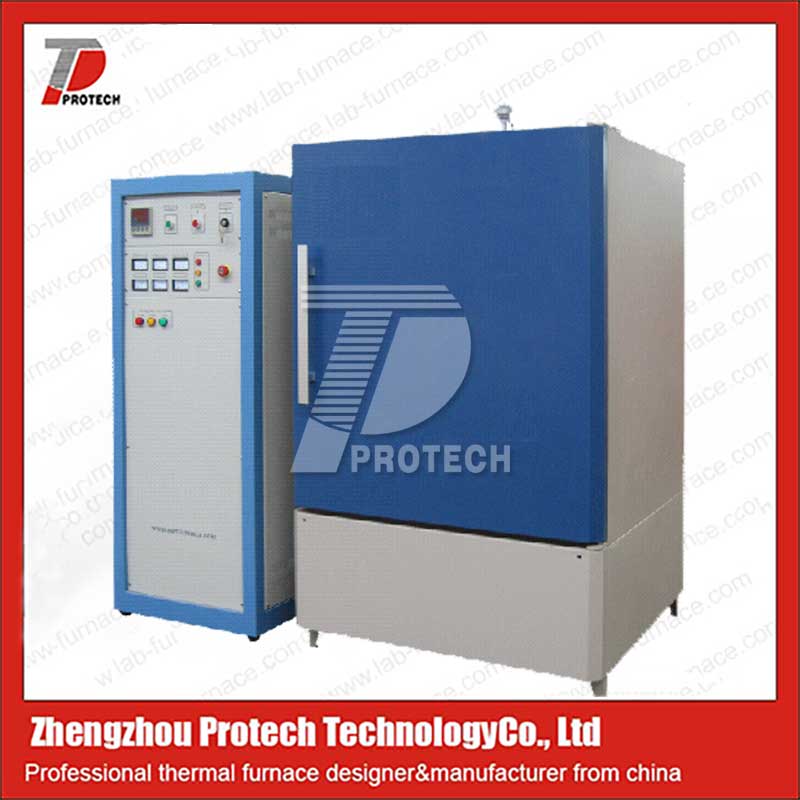
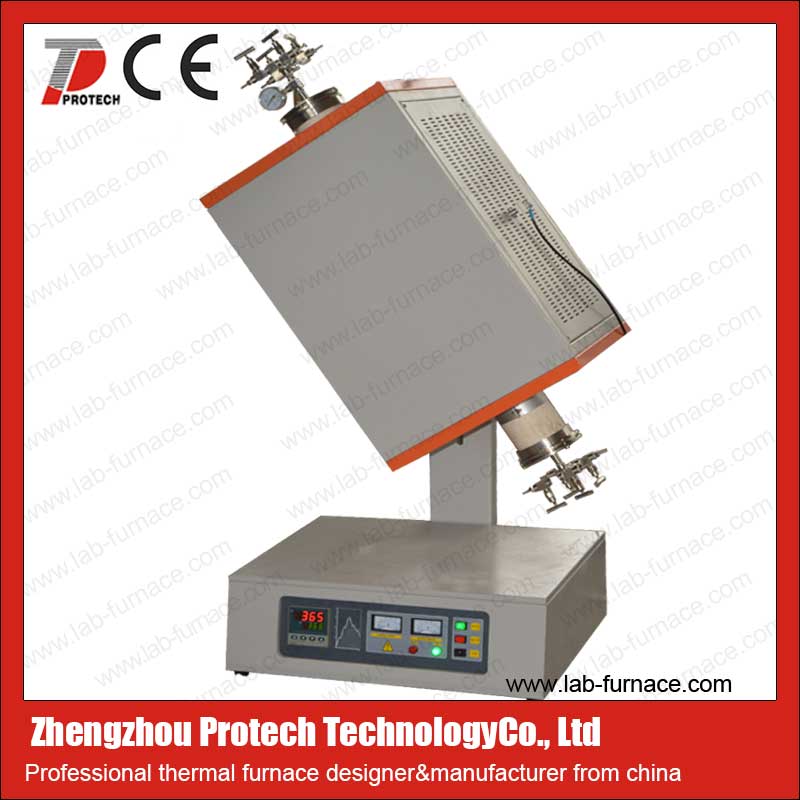
The high-temperature graphite vacuum heat treatment furnace, with its characteristics of high temperature resistance, vacuum environment, and rechargeable protective atmosphere, can complete various precision heat treatment processes and is widely used in materials science, metallurgy, semiconductors, new energy and other fields. Let's take a detailed look at the heat treatment processes that graphite vacuum furnaces can perform below!
1. Annealing treatment
Purpose: To eliminate internal stress in materials, improve organizational structure, enhance processing performance or stability.
Application Scenario:
Metal materials, such as titanium alloys and nickel based alloys, are annealed under high temperature and vacuum to avoid oxidation, maintain surface smoothness, and refine grain size and uniform composition.
Semiconductor materials: Silicon crystals, silicon carbide crystals, etc. are annealed to repair lattice defects and improve electrical performance.
Ceramic materials: Industrial ceramics such as silicon carbide (SiC) and silicon nitride (Si ∝ N ₄) are annealed to eliminate processing stress, improve density and thermal stability.
2. Sintering treatment
Purpose: To densify powder materials and form a sturdy overall structure through high temperature.
Application Scenario:
Powder metallurgy: Metal refractory compounds (such as hard alloys) are sintered under vacuum to avoid oxidation and obtain high-density, high-strength parts.
Ceramic manufacturing: Sintering high-temperature ceramics (such as alumina and zirconia) to enhance hardness, wear resistance, and corrosion resistance.
Composite materials: Carbon fiber reinforced polymer based composite materials undergo high-temperature graphitization modification to improve the interfacial bonding strength between fibers and matrix.
3. Thermal decomposition treatment
Objective: To decompose organic matter or compounds in a high-temperature anaerobic environment to generate the target product.
Application Scenario:
Preparation of carbon materials: Polyacrylonitrile (PAN) - based carbon fibers undergo pyrolysis to remove nitrogen, oxygen, hydrogen, and other elements, forming a graphite like structure that enhances fiber strength and modulus.
Precursor conversion: Polymer precursors (such as polycarbosilane) are thermally decomposed to produce silicon carbide fibers, which are used as high-temperature insulation materials or reinforcements.
4. Single crystal growth
Objective: To induce directional crystallization of materials from the melt and form single crystals under effectively controlled temperature gradients.
Application Scenario:
Semiconductor industry: In the epitaxial growth process of silicon wafers, silicides are deposited in a hydrogen or vacuum environment to prepare high-quality single crystal silicon.
Optical crystals: single crystal growth of sapphire, yttrium aluminum garnet (YAG), etc., used for lasers, LED substrates, etc.
5. Graphitization treatment
Purpose: To convert non graphite carbon into graphite structure at high temperature and improve material properties.
Application Scenario:
Carbon fiber modification: High temperature graphitization treatment organizes the structure of carbon fibers, improving thermal conductivity, electrical conductivity, and modulus.
Graphite purification: Using the difference in melting and boiling points between graphite and impurities, heating to above 2200 ℃ removes metal impurities and obtains high-purity graphite.
6. Vacuum carburizing and carbonitriding
Purpose: To infiltrate carbon or nitrogen elements into the metal surface under vacuum or protective atmosphere, forming a hardened layer.
Application Scenario:
Tool steel treatment: Vacuum carburizing improves the surface hardness and wear resistance of parts such as molds and gears, while avoiding the oxidation problems of traditional carburizing.
Surface modification of stainless steel: Carbon nitrogen co diffusion enhances the corrosion resistance and fatigue strength of stainless steel.
7. Degassing treatment
Purpose: To remove adsorbed gases (such as hydrogen, oxygen, nitrogen) inside the material, reduce pores and defects.
Application Scenario:
Metal melting: High purity metals (such as titanium and zirconium) are melted under vacuum to avoid gas inclusions and improve material purity.
Electronic packaging: Removing gas impurities from semiconductor materials to improve device reliability.
8. Brazing and diffusion welding
Purpose: To achieve connection between materials under vacuum or protective atmosphere.
Application Scenario:
Welding of dissimilar materials: such as vacuum brazing of ceramics and metals, using high temperature to melt and fill gaps with brazing material, forming a strong bond.
Precision component assembly: diffusion welding of high-temperature alloy components in the aerospace field to avoid oxidation and deformation.
9. Gradient material sintering
Purpose: To form a composition or structural gradient within the material through a multi zone temperature control system.
Application Scenario:
Thermal barrier coating: Preparation of ceramic metal gradient materials for gas turbine blades, capable of withstanding high temperature gradients and reducing thermal stress.
Functional composite materials: such as conductive insulating gradient materials, used for electronic device packaging.
10. Rapid cooling experiment
Objective: To study the phase transition behavior of materials under extreme cooling conditions.
Application Scenario:
Preparation of metallic glass: By rapid cooling to prevent crystallization, amorphous metal is obtained with high strength and corrosion resistance.
Phase change kinetics research: Analyzing the microstructure evolution of materials during rapid cooling processes.Click to learn more customized vacuum furnaces! Or click on online customer service to learn more about product information!
Leave A Message