English
 简体中文
简体中文 French
 日本語
日本語 Korean
 Português
 Русский
 Spanish



NEWS
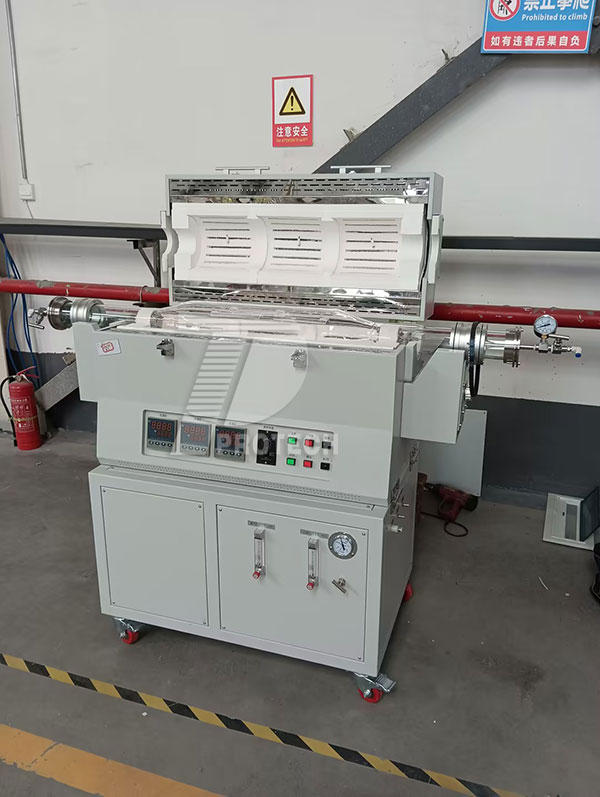
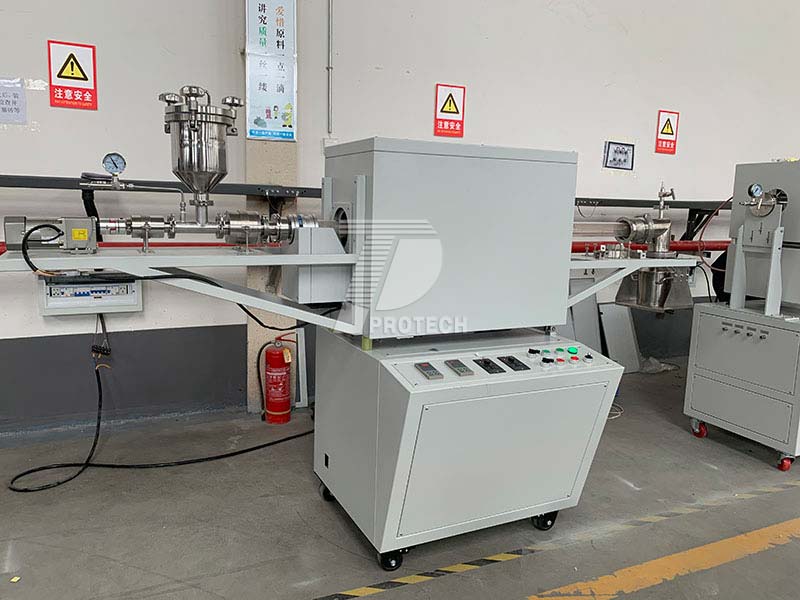
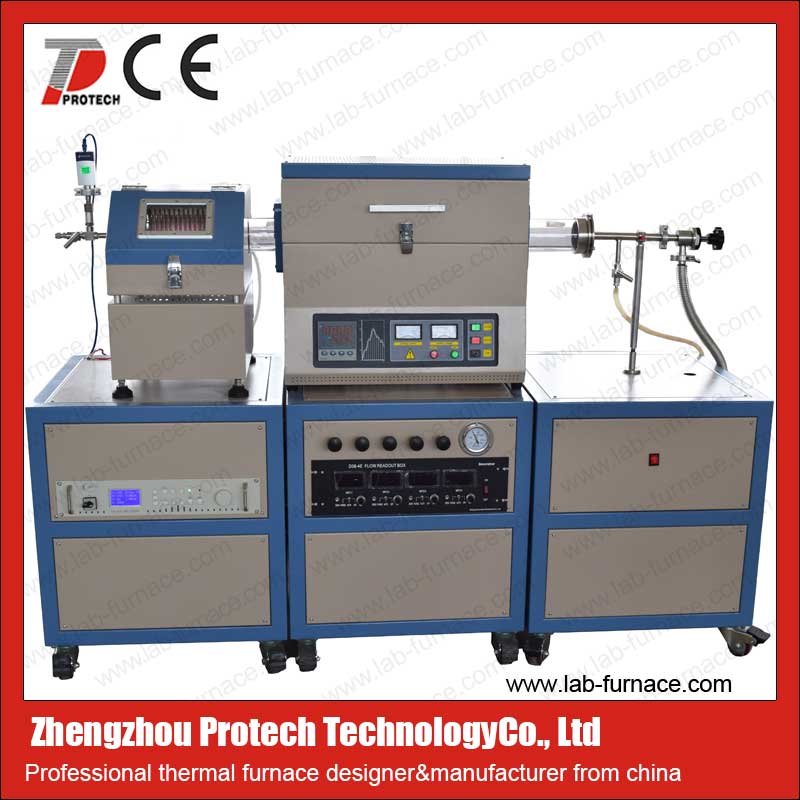
The experimental electric rotary tube furnace is a heat treatment equipment that combines rotational function and multi temperature zone gradient control, widely used in fields such as nanomaterial synthesis, ceramic sintering, metal heat treatment, and battery material preparation. Let's take a detailed look at the working principle and advantages of the electric rotary tube furnace used in the experiment below!
1. Working principle
Rotation mechanism
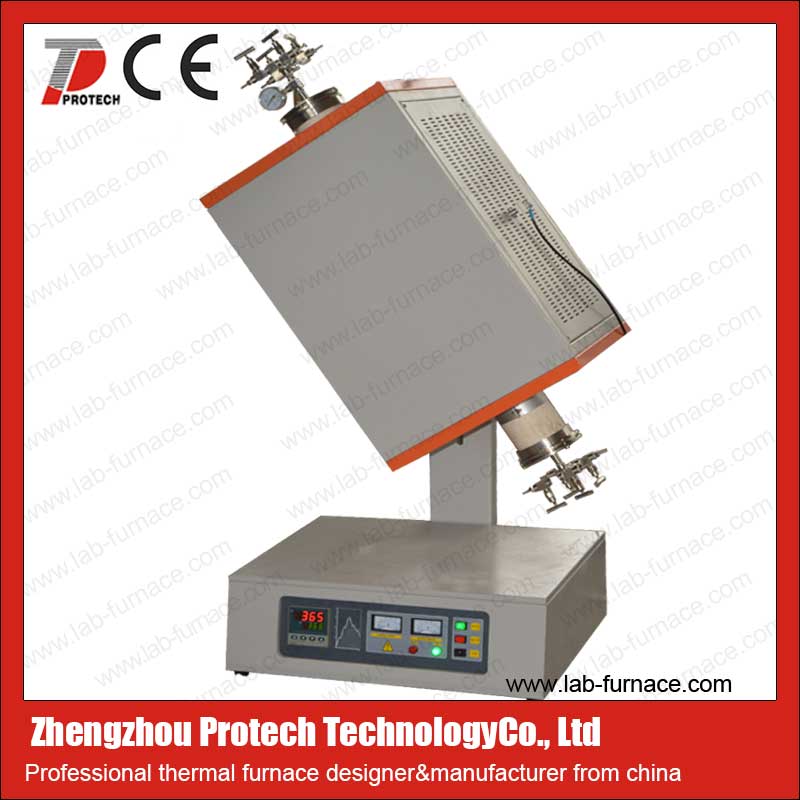
The furnace tube is driven by a motor and reducer system to achieve 360 ° rotation or tilt at a certain angle (such as 10 ° -20 °). The material constantly flips during the rotation process to avoid local accumulation or overheating, ensuring uniform heat transfer. For example, in ceramic sintering experiments, the powder material is thoroughly mixed with rotation, which can greatly improve the sintering density.
Gradient temperature control
The furnace tube is divided into multiple independent temperature control zones (such as 3-5 gradients), each equipped with independent heating elements (resistance wires, silicon carbon rods, silicon molybdenum rods, etc.) and temperature sensors (thermocouples). Real time power regulation through PID control system to achieve high-precision temperature gradient control (± 1 ℃). For example, in the synthesis of nanomaterials, a low-temperature zone (200-400 ℃) can be set up for nucleation, while a high-temperature zone (800-1000 ℃) can promote crystal growth.
Atmosphere control
The two ends of the furnace tube are sealed with stainless steel flanges, and inert or reducing gases such as nitrogen, argon, and hydrogen can be introduced to prevent material oxidation. Some models are equipped with vacuum pump interfaces and support heat treatment in vacuum environments (≤ 10 ⁻ ³ Pa).
2. Core advantages
evenly heated
The rotating design increases the heating surface area of the material by 3-5 times, and the temperature difference is controlled within ± 5 ℃ (traditional tube furnaces can reach a temperature difference of ± 20 ℃). For example, in metal annealing experiments, a rotary furnace can eliminate the problem of uneven internal stress distribution and improve the consistency of material toughness.
Flexible temperature control
Support linear or nonlinear gradient settings to simulate actual operating conditions (such as simulating temperature changes during charge and discharge cycles in battery material testing). The temperature range is usually 200-1800 ℃, which can meet various material processing needs.
highly efficient thermal insulation
By using ceramic fibers or nano insulation materials, the surface temperature is lower and the thermal efficiency can be greatly improved.
safe and reliable
Equipped with over temperature alarm, leakage protection, gas pressure monitoring and other functions to ensure experimental safety.
3. Technical parameters
Furnace tube size: laboratory grade: inner diameter 50-100 mm, length 600-1200 mm; industrial grade: inner diameter ≥ 150 mm, length ≥ 2000 mm
Temperature range: 200-1800 ℃ (adjusted according to the material of the furnace tube)
Rotation speed: 0-10 rpm adjustable (suitable for materials of different particle sizes)
Tilt angle: 0 ° -30 ° electrically adjustable (optimized material flow path)
Temperature control accuracy: ± 1 ℃ (PID control system)
Atmosphere control: supports the introduction of inert/reducing gases and vacuum environment
Additional functions: Program temperature control (over 30 segments), data recording (USB/Wi Fi export), over temperature alarm, etc
4. Application scenarios
Nanomaterial synthesis
Shape control of quantum dots, nanowires, and other materials is achieved through gradient temperature control.
Ceramics and Glass
Sintering ceramics such as alumina and silicon nitride, or melting glass to prepare thin films.
Metal heat treatment
Annealing, quenching, and tempering improve mechanical properties (such as grain refinement of high-strength steel).
battery materials
Carbon coating and sintering of positive and negative electrode materials for lithium-ion batteries, such as lithium cobalt oxide, graphite, and lithium iron phosphate.
catalyst evaluation
Test catalyst activity under simulated reaction conditions (such as VOCs catalytic combustion).
waste disposal
Pyrolysis of plastics and biomass to generate fuel oil, or thermal desorption for remediation of polluted soil.
5. Purchase suggestions
Clarify requirements
Temperature range: Select according to the experimental material (e.g. ceramic sintering requires 1600 ℃ or above).
Furnace tube size: laboratory grade suitable for small batch (50-500 g) experiments, industrial grade supports continuous production.
Atmosphere control: If an inert/reducing environment is required, a model with good sealing properties should be selected.
Focus on performance
Temperature control accuracy: PID control system is preferred to ensure temperature stability.
Rotation mechanism: Check the quality of the motor and reducer to avoid shaking or noise during operation.
Thermal insulation materials: Ceramic fibers or nano insulation materials can improve thermal efficiency.Click to learn more experimental rotary furnaces! Or click on online customer service to learn more about product information!
Leave A Message