English
 简体中文
简体中文 French
 日本語
日本語 Korean
 Português
 Русский
 Spanish



NEWS
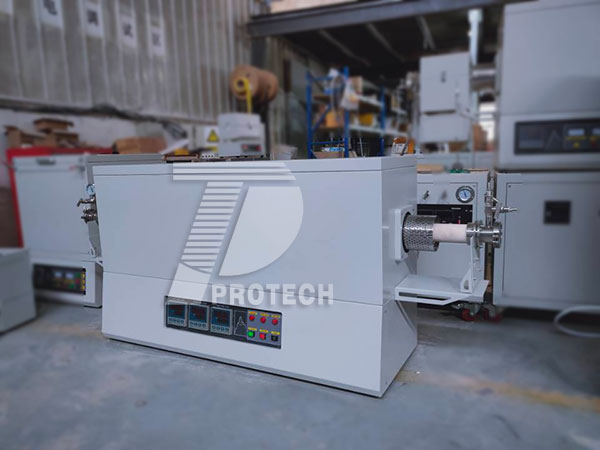
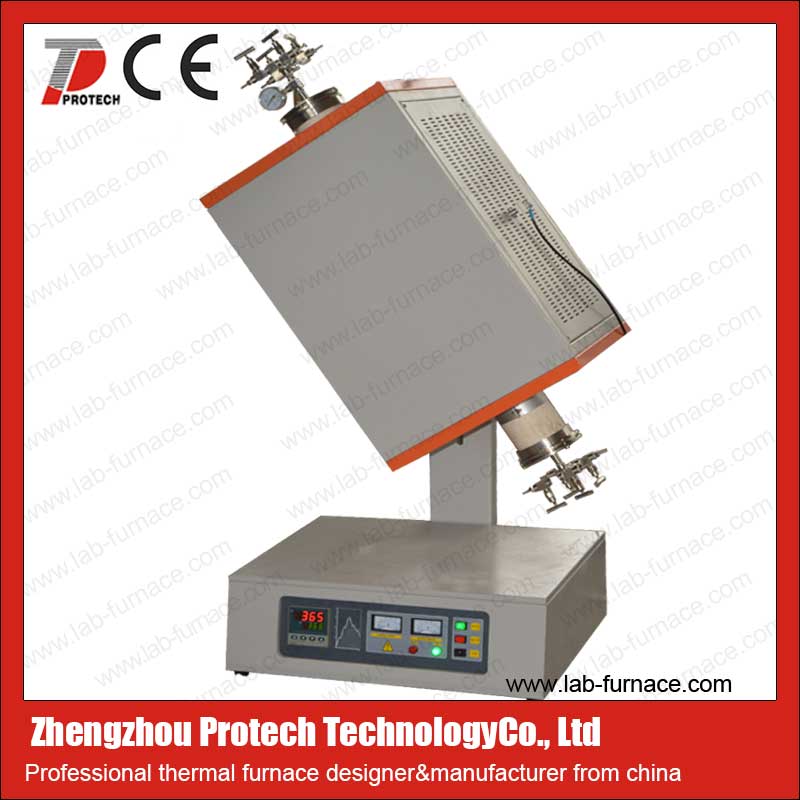
Gradient annealing tube furnace is a heat treatment equipment that can achieve precise temperature control in different areas of the furnace. Its core function is to simulate the thermal behavior of materials under different temperature environments through linear or nonlinear temperature gradient distribution, thereby studying the relationship between material properties and temperature. Let's take a detailed look at this furnace model below!
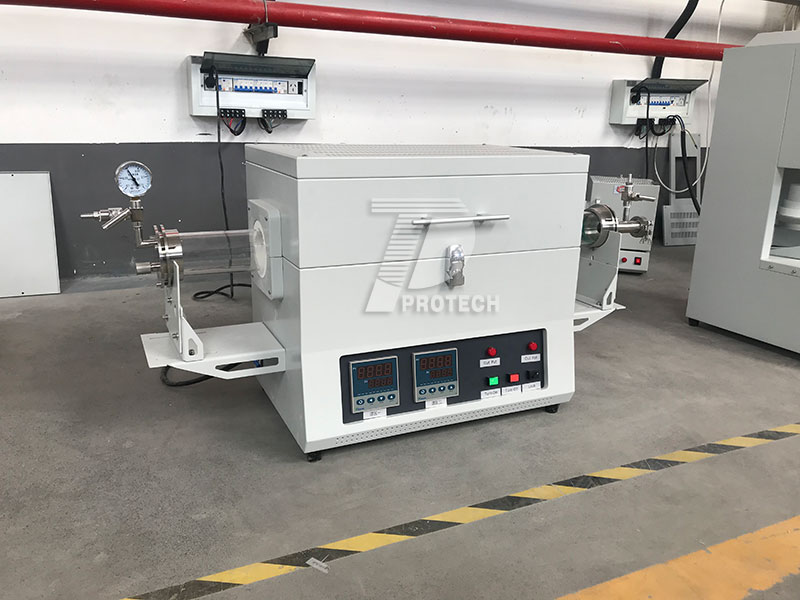
A commonly used small gradient annealing tube furnace (click on the image to view product details)
1. Working principle
The working principle of gradient annealing tube furnace is mainly based on the process of converting electrical energy into thermal energy. When current passes through heating elements such as resistance wires, silicon molybdenum rods, silicon carbon rods, etc., electrical energy is converted into heat energy, resulting in high temperature. These heat are transferred to the materials or samples inside the furnace tube through thermal conduction and convection, achieving the desired heating temperature. Due to the special temperature gradient structure designed inside the furnace tube, materials or samples at different positions will undergo heat treatment at different temperatures.
2. Structural characteristics
Multi zone independent temperature control: Gradient annealing tube furnaces are usually equipped with multiple temperature zones, each of which can be independently set to meet the needs of different temperature environments in experiments. For example, in the preparation of composite materials, a low-temperature zone can be set up for raw material deposition, and a high-temperature zone can be set up for particle sintering. The reaction rate and product phase distribution can be controlled by temperature gradient.
Temperature gradient simulation: By controlling the temperature in each temperature zone, a continuous temperature gradient can be formed inside the furnace tube to simulate the complex heat treatment process in actual production. For example, in metal quenching experiments, high-temperature zones (such as 1000 ℃ austenitization), medium temperature zones (such as 800 ℃ insulation), and low-temperature zones (such as room temperature quenching) are set up to simulate actual process parameters.
Uniformity optimization: Adopting segmented heating and efficient insulation materials (such as alumina fibers) to reduce thermal interference in the temperature range, ensuring temperature fluctuations within the furnace of ≤± 5 ℃, and improving experimental reproducibility. For example, in the synthesis of nanomaterials, stable control of reaction temperature can obtain monodisperse nanoparticles.
Diversified atmosphere control: supports the introduction of vacuum environment and various gases (such as nitrogen, argon, reducing gases) to meet specific material processing needs. For example, in gas-phase reactions such as methane dry reforming, the high temperature zone promotes the reaction, while the low temperature zone inhibits the reverse reaction and improves product selectivity.
3. Application Fields
Materials Science Research: Gradient Annealing Tube Furnaces provide powerful tools for materials science research. Scientists can use it to study the changes in physical and chemical properties of materials at different temperatures, explore the phase transition laws, thermal stability, and so on.
Metal material processing: plays a significant role in the heat treatment of metal materials, such as annealing, tempering, and other processes, to improve the mechanical and process properties of materials.
Preparation of inorganic non-metallic materials: It can be used for sintering and melting processes of inorganic non-metallic materials such as ceramics and glass, achieving efficient material preparation.
In the field of new energy, this equipment can be used for the preparation and performance testing of battery materials, promoting the development of new energy technology.
Nanomaterial synthesis: By controlling the temperature gradient, it can be used for the synthesis of nanomaterials, achieving uniform growth and morphology control of nanoparticles.
Thin film material preparation: It can be used for the preparation of thin film materials by depositing or annealing at different temperature ranges to obtain thin film materials with specific structures and properties.
Chemical Vapor Deposition (CVD): It is widely used in the semiconductor industry, especially in the chemical vapor deposition process, for depositing various materials, including a wide range of insulating materials, most metal materials, and metal alloy materials.
Biomedical: With the development of technology, gradient annealing tube furnaces can also be used for heat treatment of biomaterials and tissue engineering research.
Environmental Protection: In the field of environmental protection, it can be used to treat solid waste and harmful gases.
4. Advantage analysis
High precision temperature control: Each temperature zone is equipped with independent heating elements and temperature control systems, which can achieve independent temperature setting and adjustment in different areas, with a temperature control accuracy of ± 1 ℃.
Multi stage process integration: The entire process of preheating, reaction, cooling, etc. can be completed in the same furnace, avoiding heat loss and pollution caused by sample transfer.
Energy saving design: By using zone heating and multi-layer insulation materials, heat loss is reduced and energy consumption is lowered. For example, in continuous processing mode, the sample processing time is shortened while reducing the number of device starts and stops.
Intelligent temperature control system: equipped with intelligent algorithms such as PID regulation and fuzzy control to achieve high-precision temperature regulation and avoid energy waste.
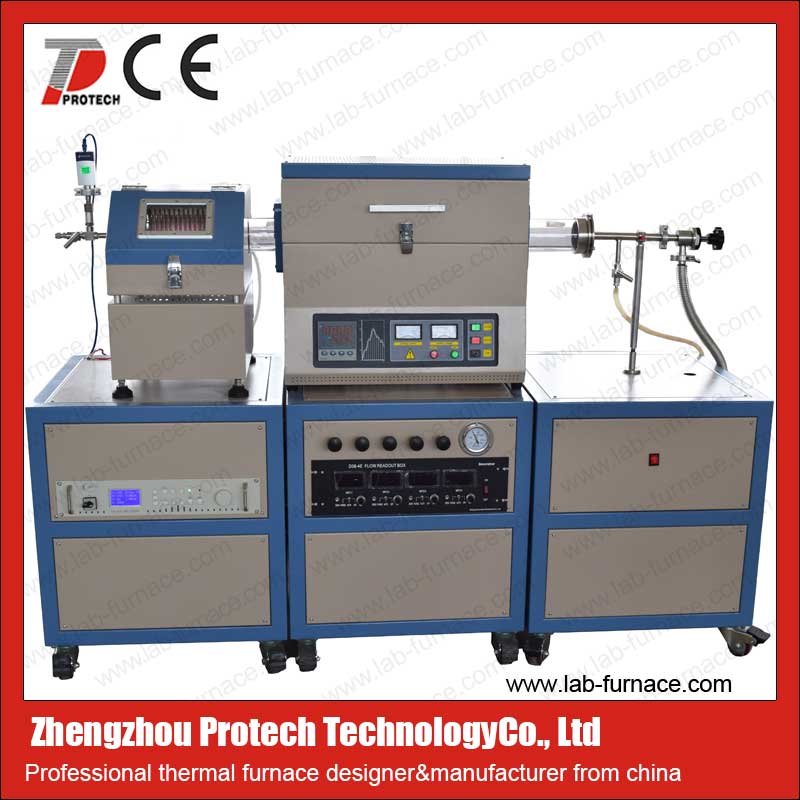
Multi sample parallel processing: supports simultaneous processing of multiple samples, each in a different temperature range, shortening the experimental period.Click to learn more Multi-Zone Tube Furnaces! Or click on online customer service to learn more about product information!
Leave A Message