
 English
 简体中文
简体中文 French
 日本語
日本語 Korean
 Português
 Русский
 Spanish



NEWS
Newcomers in materials, chemical, nanotechnology, semiconductor, and metallurgical experiments are prone to pitfalls when purchasing a tube furnace for the first time: either the temperature is not enough to burn the sample, or the furnace tube is selected incorrectly and frequently cracks, low-priced equipment leaks vacuum, inaccurate temperature control, and equipment purchased for tens of thousands of yuan can only be idle. This article is entirely from a beginner's perspective, without using obscure professional terms. It is divided into five modules: requirement determination → core parameter selection → furnace body/tube differentiation → vacuum atmosphere selection → high-frequency procurement pit points, covering all usage scenarios of university research groups and enterprise R&D laboratories. After reading, it can be directly compared with parameter procurement to reduce the probability of 90% selection errors.
1. Step 1 of selection: First, clarify the four core experimental requirements (without looking at the parameters, determine the requirements first)
The root cause of all tube furnace selection errors is the lack of clear experimental technology and blindly buying equipment based on price. Before purchasing, answer four questions to directly lock in the basic configuration of the equipment:
What is the maximum long-term operating temperature for the experiment?
Short term peak temperature ≠ long-term operating temperature. Industry standard: The maximum rated temperature of the equipment should be 50-100 ℃ higher than the experimental temperature. Long term high temperature and full load operation will significantly shorten the life of the heating element and furnace tube.
Do you need gas and vacuum pumping?
Choose ordinary tube furnace for air sintering; For anti oxidation annealing, CVD synthesis, and hydrogen reduction, a sealed vacuum tube furnace must be selected; Strong corrosive gases (chlorine gas, hydrogen fluoride) require separate customization of anti-corrosion flanges and furnace tubes.
Sample form and single loading amount?
Select a horizontal tube furnace for block/sheet static samples; Powder and particles are prone to agglomeration, so rotary tube furnaces are preferred; Choose a vertical tube furnace for micro precision small samples and high vertical airflow technology.
What are the requirements for temperature uniformity in experiments?
Simple calcination, ash content testing, single temperature zone; Gradient sintering, long sample, high-precision material synthesis, using a dual temperature zone/triple temperature zone independent temperature controlled tube furnace.
2. Core parameter selection: 4 hard indicators that beginners must understand
(1) Temperature and heating elements determine the upper limit of the equipment
On the market, tube furnaces are divided into three levels according to the highest temperature, and are equipped with different heating elements. Novices can directly match them:
300-1200 ℃ (resistance wire heating, cost-effective option)
Application: Low temperature calcination, catalyst pretreatment, ordinary material annealing, commonly used equipment in university basic teaching laboratories;
Disadvantages: Resistance wires above 1200 ℃ oxidize rapidly and cannot be sintered at high temperatures.
1300-1500 ℃ (Silicon Carbon Rod Heating, General Research Funds)
Applicable: Most nanomaterials, ceramics, and lithium battery powders undergo heat treatment, with fast heating speed and simple maintenance. This is a commonly used model in our research group.
1600-1800 ℃ (silicon molybdenum rod heating, special for ultra-high temperature)
Application: High temperature sintering of special ceramics, rare metals, and high-purity graphite;
Attention: Silicon molybdenum rods are prone to oxidation below 600 ℃, and protective gas must be introduced during the low-temperature stage. It is not recommended for beginners to purchase without atmospheric conditions.
Novice avoidance: The labeling of "maximum 1500 ℃" by merchants does not mean that it can be used for a long time at 1500 ℃. It is necessary to confirm continuous constant temperature. Low price equipment can only withstand short-term peak high temperatures, and continuous insulation may cause temperature drops and burning of heating elements.
(2) Selection of furnace tube material (highest loss accessory, frequent replacement due to incorrect selection)
Furnace tubes are consumables, and there are huge differences in temperature resistance, transparency, and corrosion resistance among different materials. Comparing the three mainstream furnace tubes for beginners, choose according to your needs:
| Furnace tube material | Long term temperature resistance | Advantages | Shortcoming | Applicable scenarios |
| Quartz tube | ≤ 1100℃ | Transparent visible sample, heat-resistant, fast temperature rise and fall | Softened and deformed at 1200 ℃, not resistant to strong alkali and hydrofluoric acid | Within 1200 ℃, samples need to be observed, CVD experiments, teaching experiments |
| High purity corundum tube | 1500-1700℃ | High temperature resistance, acid and alkali resistance, universal for reducing/oxidizing atmospheres | Opaque, poor thermal shock resistance, temperature rise and fall of 5 ℃/min | High temperature sintering above 1200 ℃, ceramic, metal heat treatment |
| Stainless steel metal tube | ≤ 1000℃ | Strong pressure resistance, good sealing, and non fragile | High temperature is prone to oxidation and cannot be supplied with oxygen | Closed atmosphere experiment, large processing capacity |
3. How to choose the structure of a tube furnace body? Differentiation of applicable scenarios for 4 models
(1). Horizontal tube furnace (for beginners)
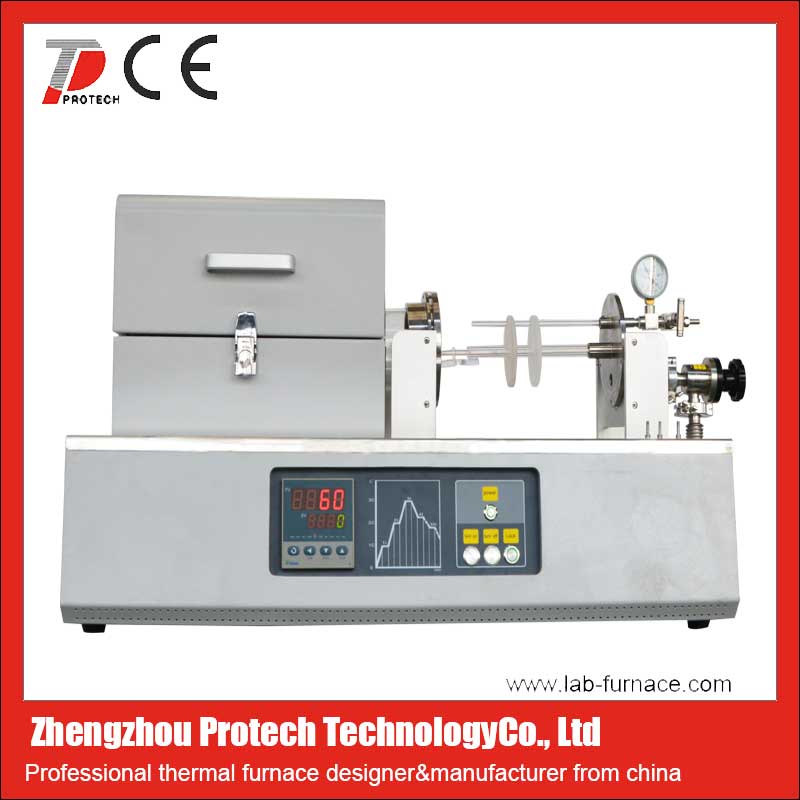
Horizontal placement of furnace tubes, simple loading and unloading of samples, suitable for most block and powder static heat treatments, low price, easy maintenance, 90% of basic laboratories directly choose this model.
Suitable for: catalyst calcination, material annealing, basic high-temperature synthesis, teaching experiments.
(2). Vertical tube furnace
Vertical furnace body, uniform and stable airflow from top to bottom, with less impurities inside the furnace; Smaller footprint, coupled with a lifting bracket, can achieve rapid entry and exit of samples into the temperature zone.
Suitable for: trace powder, semiconductor precision annealing, high vacuum and high-purity atmosphere experiments.
(3). Rotary tube furnace (powder specific)
The furnace tube can rotate at low speed, and the powder rolls throughout the process, solving the problems of powder sintering agglomeration and uneven heating. Combined with an atmosphere system, it can achieve continuous gas-solid reactions.
Suitable for: lithium battery cathode materials, catalyst activation, powder pyrolysis, and bulk powder research and development.
4. Vacuum and Atmosphere System Selection Guide (90% Procurement Pit Concentration Area)
(1). Only sinter in an air environment
No need for vacuum or gas circuit accessories, a regular tube furnace is sufficient with a low budget.
(2). Inert protection is required (nitrogen, argon, anti oxidation)
Optional simple flange seal+two-way intake valve; No high vacuum is required, the experiment can be completed by exchanging air three times and exhausting the air.
(3). Hydrogen and ammonia reducing atmosphere
Stainless steel vacuum flanges, anti backfire devices, and gas explosion-proof pipelines must be selected; Prohibit the use of ordinary rubber gaskets, as high-temperature hydrogen gas can corrode the seal and cause air leakage.
(4). High vacuum experiment (10 ⁻¹~10 ⁻³ Pa, CVD, thin film deposition)
Standard rotary vane mechanical pump; Extra molecular pumps are required for ultra-high vacuum requirements; Low cost equipment is sealed with simple O-rings, and the vacuum degree can only reach -0.06MPa, which cannot meet high-purity experiments.
Atmosphere avoidance pit: Do not buy a separate furnace and install an air circuit in the later stage. The sealing of the rear pipeline is poor and there is serious air leakage. The original factory integrated air circuit and flange sealing performance are far better than the modified version.
5. Top 10 must see and avoid pitfalls for novice procurement (common industry tricks)
Pit 1: False indication of maximum temperature, concealing long-term usage restrictions
The merchant advertised a 1600 ℃ furnace, but in reality, it is only stable for a long time at 1400 ℃. After 2 hours of high temperature insulation, the heating element aged. The purchase contract must indicate the continuous constant temperature as a basis for after-sales service.
Pit 2: Low price furnaces use inferior insulation materials
Poor quality asbestos insulation layer has poor insulation, hot furnace shell, high energy consumption, and uneven temperature field; The formal equipment adopts high-purity alumina fiber lightweight insulation, double-layer air-cooled shell, and shell temperature below 50 ℃.
Pit 3: The furnace tubes are not compatible and will be sold separately at a markup later on
The quotation is only for the furnace body. Quartz tubes, corundum tubes, and sealing flanges are charged separately. Before placing an order, confirm whether the quotation includes the complete set of accessories for standard furnace tubes, seals, and crucible supports.
Pit 4: Simplified vacuum pipeline without leak detection protection
Low cost vacuum tube furnaces lack vacuum pressure gauges and one-way valves, making it impossible to observe pressure during vacuum pumping. Gas backflow can directly burn heating elements, and scientific research equipment must be equipped with real-time vacuum monitoring.
Pit 5: Neglecting the heating rate limit resulted in cracking of the furnace tube
The recommended heating rate for corundum tube furnace is ≤ 5 ℃/min, and for quartz tube it is ≤ 10 ℃/min; The merchant does not disclose the parameters, and beginners can quickly raise and lower the temperature and directly explode the furnace tube, with consumables costs of hundreds or thousands of yuan.
Pit 6: Only focusing on price, ignoring after-sales warranty
The equipment warranty for small workshops is only 6 months, and it is recommended to choose a legitimate manufacturer with a long warranty period for the entire machine for laboratory instruments in universities; The heating element and temperature controller are vulnerable parts, and the cost of after-sales replacement should be confirmed in advance.
Pit 7: Confusing tube furnace and muffle furnace, buying the wrong equipment
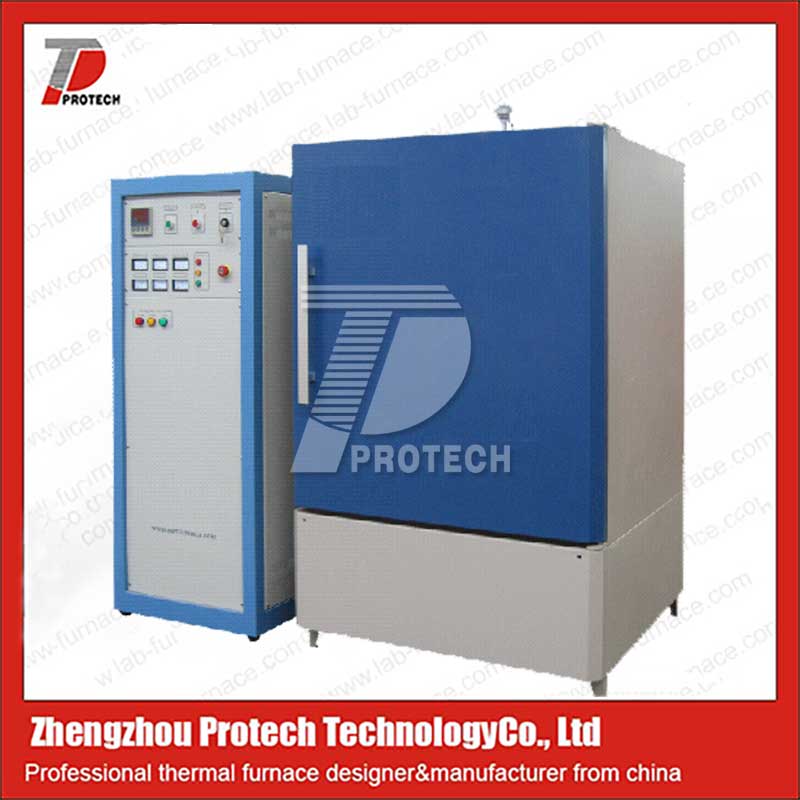
The muffle furnace is a box type unsealed furnace, which cannot be filled with atmosphere or evacuated; If anaerobic sintering and gas reaction are required, a tube furnace must be selected. Do not be tempted to buy a muffle furnace at a low price as a substitute.
Pit 8: Stealing to reduce heating modules in multi temperature zone equipment
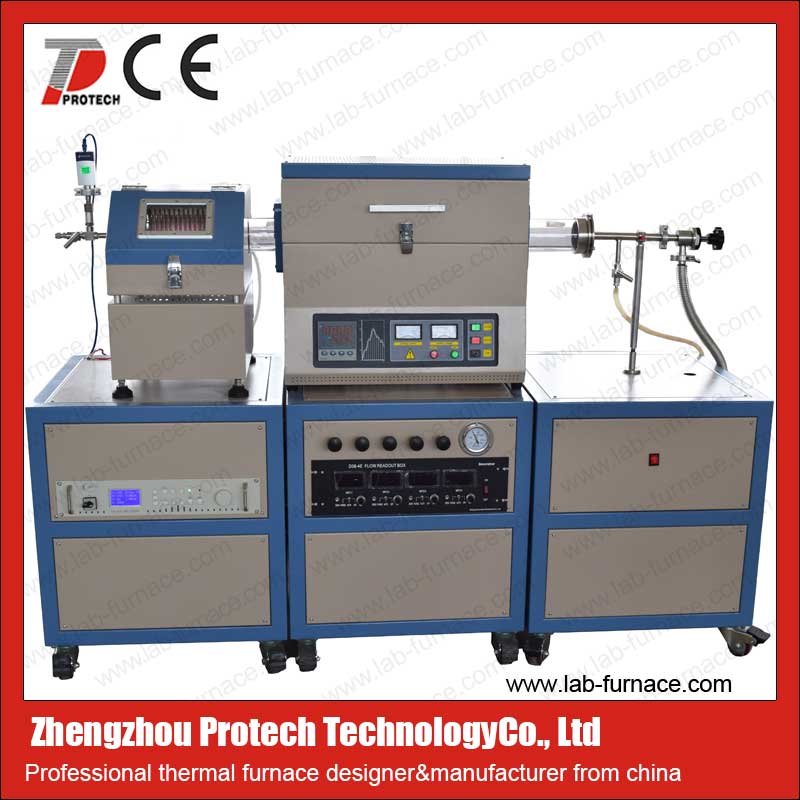
A dual zone tube furnace requires two sets of independent temperature control and two sets of heating elements; Some manufacturers use a single heating element to impersonate a dual temperature zone, with a huge temperature difference between the two ends, making gradient experiments completely unusable.
Pit 9: Corrosive gases do not undergo anti-corrosion treatment
Introducing corrosive gases such as hydrogen fluoride and chlorine gas will cause rapid corrosion of ordinary quartz/corundum pipes. Failure to inform the manufacturer in advance may result in equipment scrapping. When purchasing, proactively explain the type of gas used.
Pit 10: Blindly increasing pipe diameter, wasting atmosphere and consumables
The sample size is very small, but a large pipe diameter of Φ 80/Φ 100 is chosen. A single experiment consumes a large amount of nitrogen and argon gas, and the cost of long-term experimental consumables doubles. The pipe diameter can be selected as needed.

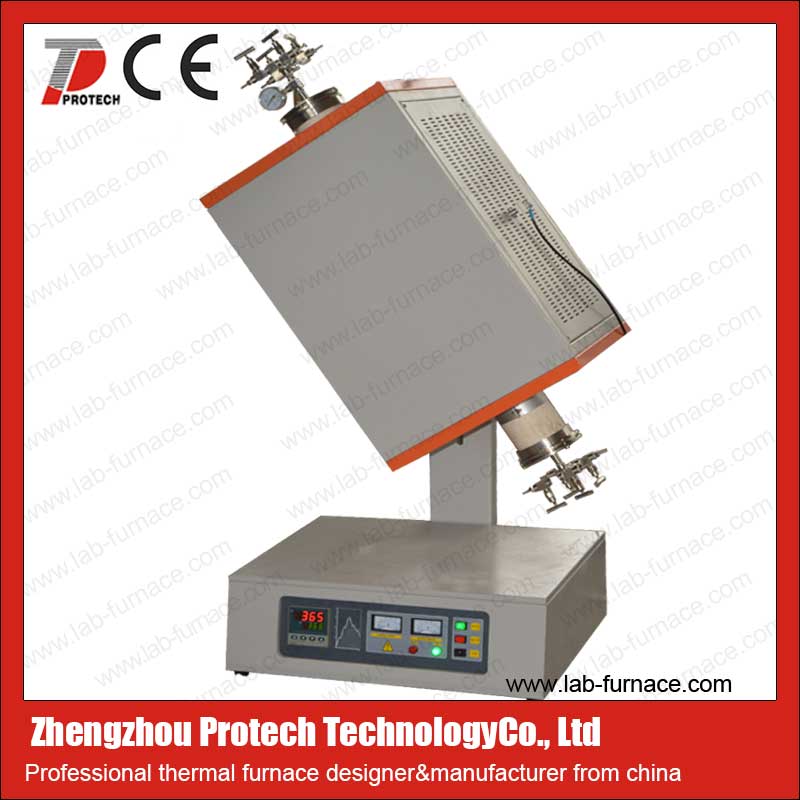
A commonly used vertical tube furnace (click on the image to view product details)
6. Quick Selection Summary for Beginners (30 Second Comparison with Procurement Template)
Teaching/Low temperature calcination ≤ 1100 ℃: Horizontal single temperature zone resistance wire tube furnace+Φ 60 quartz tube, simple atmosphere selection;
Conventional materials research 1200-1500 ℃: horizontal silicon carbon rod vacuum tube furnace+corundum tube, equipped with two air intakes and mechanical pumps as standard;
Powder and lithium battery materials: rotary tube furnace, constant temperature zone ≥ 25cm;
Ultra high temperature ceramics above 1600 ℃: silicon molybdenum rod vertical tube furnace, fully protected by inert atmosphere throughout the process;
High purity CVD and semiconductor precision experiments: Three temperature zone high vacuum tube furnace, molecular pump+stainless steel sealing flange.
7. Final Reminder for Procurement
Tube furnace belongs to high-precision high-temperature experimental equipment. Prioritize matching experimental processes before discussing budgets, and do not blindly pursue low prices. Provide the manufacturer with information on experimental temperature, gas type, sample size, and single processing capacity before procurement, so that the manufacturer can match the configuration more accurately and avoid problems such as equipment mismatch and inability to conduct experiments from the root.
To save the selection parameter table and consult with the manufacturer, this article can be saved for direct comparison and verification during procurement, avoiding the procurement trap that 90% of beginners are prone to fall into.Click to learn more tube furnaces! Or click on online customer service to learn more about product information!
Leave A Message


