
 English
 简体中文
简体中文 French
 日本語
日本語 Korean
 Português
 Русский
 Spanish



NEWS
For material heat treatment, catalyst activation, powder calcination, and ashing analysis, an air filled tube furnace is indispensable in the laboratory. Many procurement personnel initially only focus on the brand and price, but only realize when they buy the equipment that they cannot fit the sample, the constant temperature zone is too short to reproduce the data, and the sample oxidation is uneven due to poor sealing when air is supplied - almost all of the problems lie in not understanding the three core parameters during selection.

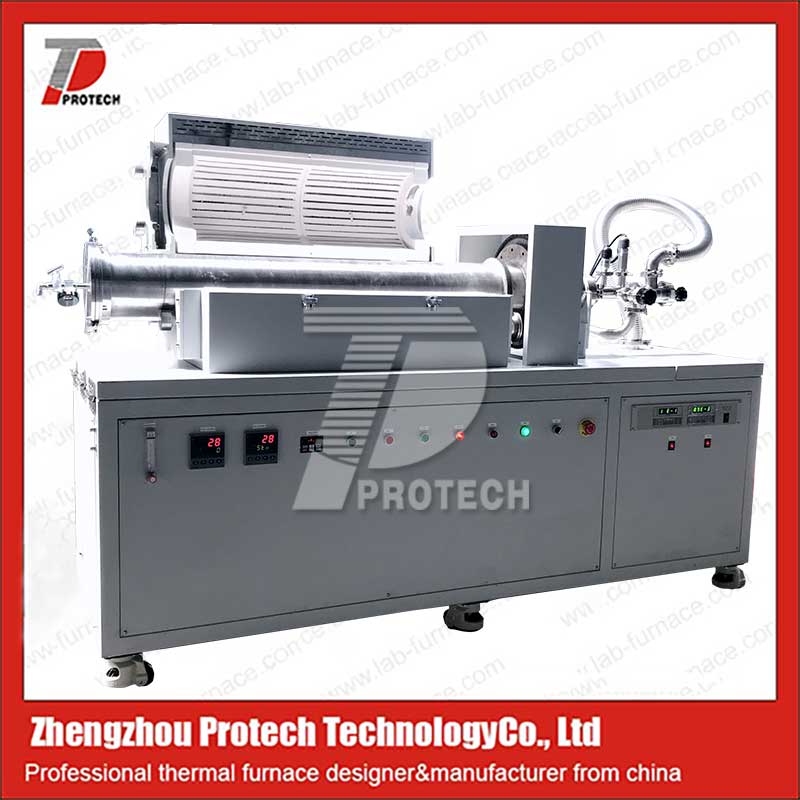
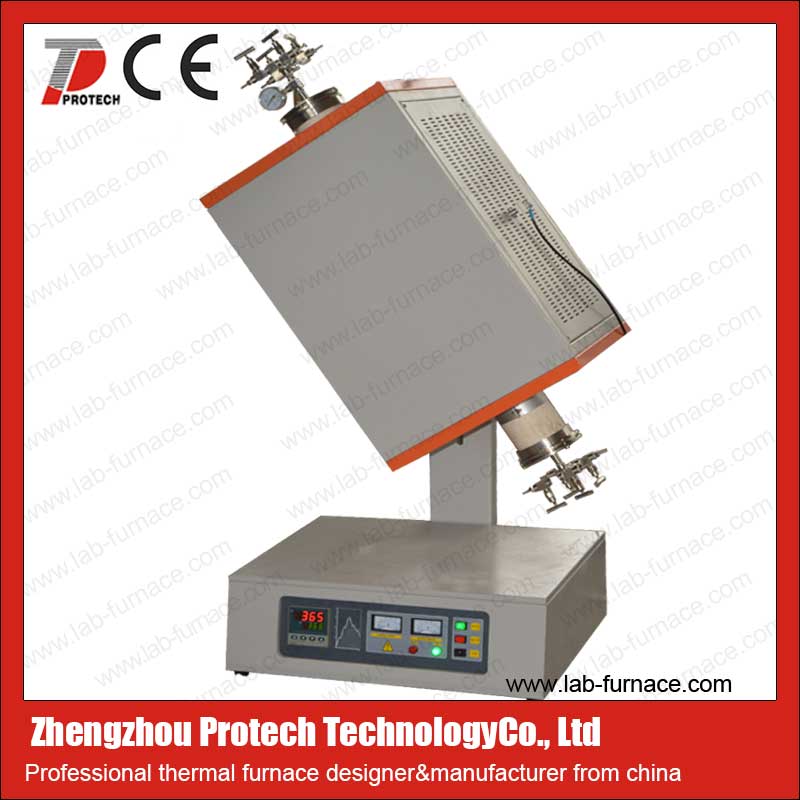
Commonly used experimental air tube furnace (click on the image to view product details)
The selection of an air tube furnace essentially answers three questions: can it fit? Can you burn it? Did you burn it correctly? Corresponding to the three core parameters of furnace size, temperature, and atmosphere. Let's explain them one by one below, and at the end, there is a selection list that can be directly compared.
1. Core parameter one: Furnace size - determines "can fit and burn evenly"
The larger the furnace size, the better, but it should match your sample size and experimental process.
(1). Pipe diameter (furnace tube diameter)
The common pipe diameters for laboratory air tube furnaces include 40mm, 50mm, 60mm, 80mm, etc. Some models can achieve a diameter of over 100mm. The diameter of the pipe directly determines what size of sample can be installed:
-Perform crucible ashing and small batch powder calcination, with a diameter of 40-60mm sufficient;
-Need to place boat shaped crucibles, long samples, or multiple parallel tubes, with a diameter of over 80mm;
-If the sample volume is too large, consideration should also be given to the convenience of sample delivery and sampling. If the pipe diameter is too small, the operation will be very awkward.
(2). Length of heating zone and constant temperature zone
This is a parameter that beginners may easily overlook but directly affects the reproducibility of the experiment.
-Heating zone length: The furnace tube area covered by the heating element determines the theoretical heating range of the equipment;
-Constant temperature zone length: a stable area in the furnace where the temperature is uniform and can reach the set temperature difference, generally about half to one-third of the length of the heating zone.
For example, for a furnace with a heating area of 300mm, the constant temperature area is usually only around 100-150mm. If the length of the sample exceeds the constant temperature zone, the temperature at both ends will be lower, and the experimental results will be inaccurate. It is recommended that the length of the constant temperature zone be at least 1.5-2 times the length of the sample, and pay attention to the temperature difference indicators marked by the manufacturer (such as ± 1 ℃, ± 2 ℃).
(3). Sample size and heating efficiency
The larger the furnace, the slower the heating, the higher the power consumption, and the more expensive the furnace tubes. When selecting, do not be greedy for size, as long as it is sufficient - the sample size determines the furnace volume, and the heating rate requirement determines the power configuration, both of which need to be considered together.
2. Core parameter 2: Temperature - determines whether it can be burned and controlled
Temperature is the hard core indicator of a tube furnace, which directly determines the material selection and price of the equipment.
(1). Select furnace based on the highest temperature
Common temperature settings for laboratory air tube furnaces:
| Maximum temperature | Common heating elements | Examples of applicable processes |
| 1200℃ | Resistance wire | ashing, drying, conventional calcination, glass annealing |
| 1400℃ | Silicon carbide rod (SiC) | Ceramic sintering, metal oxidation, catalyst activation |
| 1600– 1700℃ | MoSi ₂ | High purity powder, special ceramics, high-temperature sintering |
| 1800℃ | Composite heating element/specialized heating element | Special high-temperature process |
3. Core parameter three: Atmosphere - determines' burning right '
Since it is called an "air tube furnace", atmosphere control is its soul. The core purpose of air circulation is to provide an "oxidizing atmosphere" for processes such as ashing, oxidation, activation, combustion analysis, etc.
(1). Clarify what atmosphere is required for your craftsmanship
-Air atmosphere: ashing, oxidation, burning of organic matter, catalyst activation - this is the main field of the air tube furnace;
-Inert atmosphere (N ₂/Ar): to prevent oxidation, a separate gas path or a tubular furnace with nitrogen gas selection is required;
-Reduction atmosphere (H ₂, etc.): Special reduction process with high requirements for safety and sealing.
Before selecting, think carefully: "Do you want the sample to be oxidized or protected?" This determines whether to choose an air furnace or a ventilated atmosphere furnace.
(2). Key points for atmosphere control of air tube furnace
-Airflow control: whether it is equipped with a mass flow meter/float flow meter, and whether it can stably adjust the intake air volume;
-Sealing structure: The temperature and corrosion resistance of the flanges and sealing rings at both ends of the furnace tube can cause unstable atmosphere and uneven oxidation of the sample when air is leaked;
-Exhaust and tail gas treatment: Sample ashing/calcination will produce flue gas. Does the furnace have a reserved exhaust port and can it be connected to a tail gas treatment device;
-Anti backfire/explosion-proof design: Although the air atmosphere is relatively safe, if the sample contains volatile components, safety protection design still needs to be considered.
(3). Requirements for furnace tube material for air circulation
For long-term high-temperature use in an air atmosphere, furnace tubes should be made of materials that are resistant to oxidation and thermal shock
-Quartz tube: transparent and easy to observe, temperature resistant to 1100-1200 ℃, but fragile;
-Corundum tube (Al ₂ O ∝): higher temperature resistance (1600 ℃+), good strength, mainstream choice in laboratory;
-Silicon carbide furnace tube: resistant to high temperature and corrosion, suitable for higher demand occasions.
4. What else do we need to consider besides the three core parameters
In addition to the three major parameters, these directly affect the user experience and safety:
(1). Temperature control instrument: whether it supports PID and programmed temperature control, whether it has over temperature alarm and disconnection protection;
(2). Safety protection: whether the over temperature, over-current, and leakage protection are complete;
(3). Furnace body insulation and shell temperature: The insulation material should be good, and the temperature rise of the shell should be low, which is both energy-saving and safe;
(4). Manufacturer qualification and after-sales service: The heating element and furnace tube are consumables, and it is confirmed that the manufacturer can provide stable supply, quality assurance, and after-sales response.
5. Checklist for Selection of Air Tube Furnace
By comparing this list, I basically won't fall into the trap:
-Does the pipe diameter match the sample size (with a mainstream range of 40mm to 80mm)
-The length of the constant temperature zone is ≥ 1.5-2 times the length of the sample
-Leave a margin of 10% -15% for the maximum temperature compared to the process temperature
-The heating rate and number of program segments meet the requirements of the process curve
-Temperature control accuracy within ± 1 ℃, with PID self-tuning
-Sealing, exhaust, and tail gas treatment are in place in an air atmosphere
-Furnace tube material (quartz/corundum) matched with operating temperature
-Complete safety protection, guaranteed supply of heating elements and consumables for furnace tubes
-Support non-standard customization (pipe diameter, length, flange, and gas path can be changed as needed)
Conclusion
The selection of laboratory air tube furnaces ultimately boils down to "translating process requirements into equipment parameters": sample furnace chamber, temperature furnace type, and atmosphere configuration. By first clarifying the three core parameters of furnace size, temperature, and atmosphere, and then discussing price and brand, one will not buy the wrong equipment or waste samples.
If you are selecting a product, it is recommended to send the sample size, maximum process temperature, and atmosphere requirements to the manufacturer first, so that professionals can help you check the constant temperature zone and gas circuit configuration. A matching process air duct furnace is necessary to ensure that every experimental data is reliable.Click to learn more customized tube furnaces! Or click on online customer service to learn more about product information!
Leave A Message


