
 English
 简体中文
简体中文 French
 日本語
日本語 Korean
 Português
 Русский
 Spanish



NEWS
Special ceramic sintering requires high furnace environment, temperature control accuracy, and airtightness. Choosing the wrong vacuum furnace can easily lead to sample oxidation, uneven grain size, cracking, and insufficient density. The MCLL ceramic sintering vacuum furnace is designed specifically for the degreasing and sintering processes of special ceramics such as alumina, aluminum nitride, and silicon carbide. Based on actual production and laboratory research and development scenarios, the core selection points of ceramic sintering vacuum furnaces are explained below to help researchers and procurement personnel avoid selection errors.

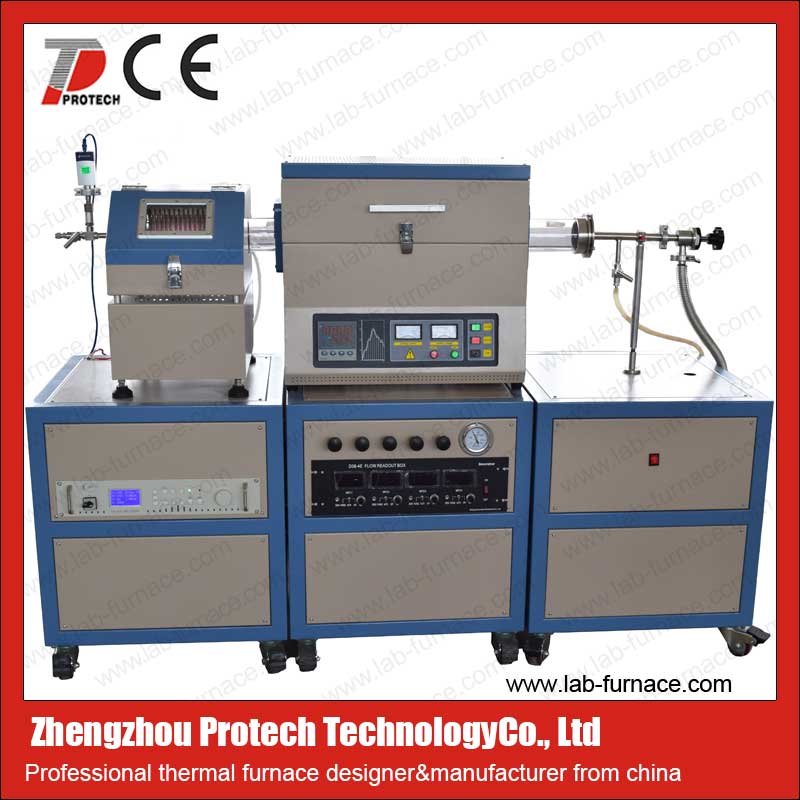
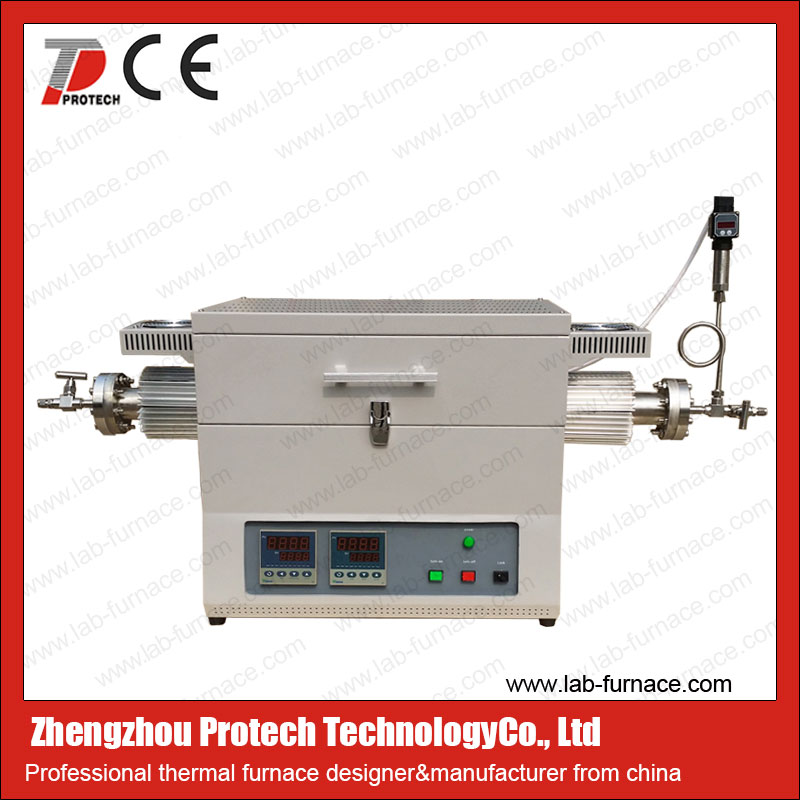
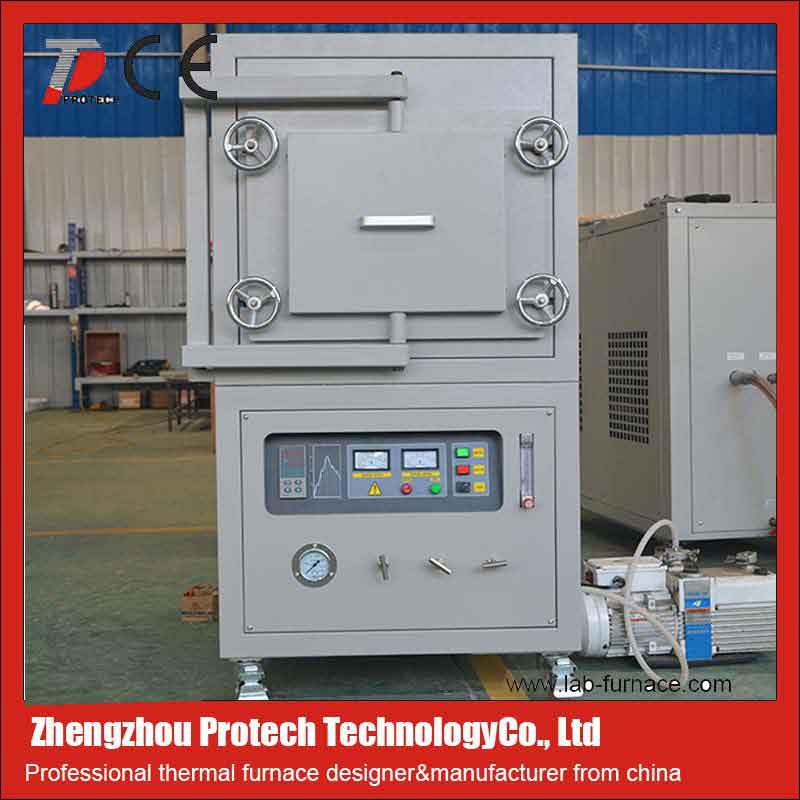
A commonly used small vacuum sintering furnace (click on the image to view product details)
1. Confirm the maximum operating temperature and long-term working temperature zone
The first step in selecting equipment should not only look at the maximum temperature marked on the device, but also distinguish between "extreme temperature" and "long-term continuous use temperature".
The commonly used temperature range for MCLL ceramic sintering vacuum furnace covers 1200 ℃~1800 ℃. The ceramic sintering process requires long-term constant temperature insulation. It is generally recommended to reserve a margin of 50-100 ℃ for the long-term use temperature of the equipment compared to the process sintering temperature.
For example, if your ceramic sintering process requires long-term insulation at 1600 ℃, do not choose a furnace with a maximum temperature of 1600 ℃. It is recommended to choose an MCLL ceramic sintering vacuum furnace that can work for a long time at 1600 ℃ and has a maximum temperature of 1700-1800 ℃ to extend the service life of the heating element and furnace and ensure temperature stability.
2. Vacuum degree index, matching ceramic sintering process requirements
Ceramic sintering, especially for easily oxidizable ceramics such as aluminum nitride and silicon carbide, is directly determined by the vacuum environment to determine the quality of the finished product.
(1). Low vacuum: suitable for ordinary ceramic gluing and pre firing, generally 10-100Pa;
(2). High vacuum: densification sintering of special ceramics requires a pressure level of 10 ⁻³~10 ⁻⁴ Pa;
When choosing an MCLL ceramic sintering vacuum furnace, it is important to confirm the cold state ultimate vacuum and high-temperature working vacuum. Many furnaces meet the standard of vacuum at room temperature, but after heating up, they leak air and the high-temperature vacuum drops severely, which can cause oxidation of ceramic samples. Priority should be given to MCLL ceramic sintering vacuum furnaces with reliable flange sealing structures and leak detection of welds.
Optional configuration: Can be paired with molecular pump units to meet higher vacuum process requirements.
3. Furnace material and effective volume
The furnace material is directly adapted to the ceramic sintering atmosphere and temperature:
-Low temperature ceramics: alumina fiber furnace;
-Special ceramics with high temperature above 1600 ℃: graphite furnace, molybdenum insulation layer.
MCLL ceramic sintering vacuum furnace supports customized furnace size, and selection should distinguish between external dimensions and effective loading capacity.
When calculating the sample placement space, do not just fill the furnace chamber. It is necessary to reserve sample gaps and thermal radiation space to ensure the uniformity of the temperature field inside the furnace. Small laboratory samples can be selected using a small vacuum furnace; Pilot batch samples can increase the effective furnace volume.
4. Uniformity of Temperature Field and Temperature Control System
Ceramic sintering is afraid of large temperature differences inside the furnace, which can lead to inconsistent sintering degrees of samples from the same batch, resulting in color differences and density differences.
The MCLL ceramic sintering vacuum furnace adopts zone heating and high-precision temperature control instruments, with a temperature control accuracy of ± 1 ℃ and a furnace temperature field uniformity of ± 3-5 ℃.
Confirm two points when selecting:
(1). Does it support multi-stage program heating, can pre store multiple sintering process curves, automatic heating, insulation, and cooling;
(2). Cooling method: supports natural cooling+rapid filling of inert gas (argon/nitrogen) for rapid cooling, shortening the process cycle.
5. Atmosphere Function: Vacuum+Ventilation Composite Process
Many ceramic processes are not simply vacuum sintering, requiring vacuum degreasing and then sintering with an inert protective atmosphere.
The MCLL ceramic sintering vacuum furnace supports "vacuum pumping+multi-channel air inlet", which can introduce protective gases such as nitrogen and argon to achieve the integration of vacuum sintering and atmosphere sintering.
Selection Attention: If your process requires rubber and degreasing, priority should be given to models with exhaust emissions and rubber removal collection structures to prevent adhesive volatilization from contaminating the furnace and protect the vacuum unit.
6. Equipment matching, after-sales and customization needs
(1). Vacuum unit: selection of mechanical pumps and molecular pumps, confirmation of pump unit maintenance costs;
(2). Safety protection: safety functions such as over temperature power-off, water pressure protection, vacuum interlock, air leakage alarm, etc;
(3). Customization: MCLL ceramic sintering vacuum furnace can customize furnace chamber, atmosphere interface, observation window, material rack and other accessories according to the process.
Summary
Choosing a ceramic sintering vacuum furnace should not only compare prices, but also prioritize matching the four core parameters of sintering temperature, high temperature vacuum degree, temperature field uniformity, and atmosphere process. MCLL ceramic sintering vacuum furnace is suitable for university laboratories and pilot production lines of new material enterprises, with optimized design for special ceramic degreasing and sintering processes, and supports parameter customization. If you are not sure which model the process matches, you can provide sintering materials, process temperature, sample volume, and obtain a professional solution.Click to learn more customized vacuum furnaces! Or click on online customer service to learn more about product information!
Leave A Message


